


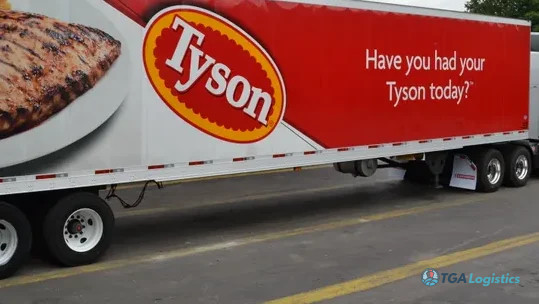
Tyson Foods announced plans to close a major beef processing plant in Nebraska. This strategic decision directly responds to a persistent cattle shortage across the United States. The meatpacking giant also revealed additional operational adjustments impacting its workforce and production capabilities.
Operational Shifts and Workforce Impact
The closure of the Nebraska facility marks a significant change in Tyson’s beef production strategy. This move will lead to the layoff of more than 3,200 employees. The company is re-evaluating its processing footprint to align with current market realities.
Tyson Foods is closing a major Nebraska beef plant, laying off over 3,200 employees, and reducing production at a Texas facility. These strategic adjustments are a direct response to a persistent nationwide cattle shortage, aiming to align the company's processing capabilities with current market realities and ensure long-term success.
Reduced Output in Texas
In addition to the Nebraska closure, Tyson intends to scale back production at another facility situated in Texas. This reduction further reflects the company’s efforts to streamline operations. Such adjustments are designed to match output with available supply.
Market Dynamics and Industry Challenges
A prevailing shortage of cattle nationwide stands as the primary catalyst for these extensive operational shifts. Drought conditions and other factors have contributed to smaller herds, impacting the supply chain for meatpackers. This scarcity directly influences processing plant viability.
Tyson Foods frames these strategic measures as critical steps toward ensuring its “long-term success.” The company aims to adapt its business model to evolving market conditions. These decisions position Tyson to maintain efficiency and profitability in a challenging environment.
Comment1