


Tyson Foods, a prominent food manufacturer, actively navigates significant challenges stemming from constrained beef and pork supplies. This market condition presents considerable hurdles for its production and distribution networks, demanding a proactive approach to maintain market position and profitability.
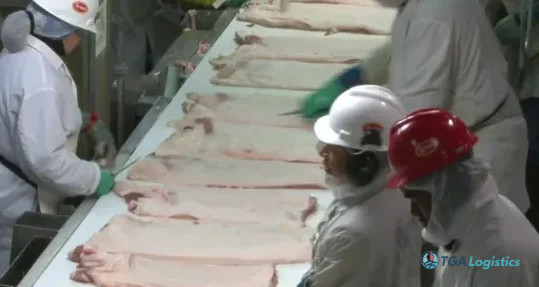
To counteract these persistent market pressures, the company has strategically pivoted. Tyson now emphasizes the development and promotion of value-added products while simultaneously implementing robust operational efficiencies across its production and supply chains. These measures aim to offset the impact of ongoing supply limitations.
Addressing Protein Shortages
The food giant faces persistent tight supplies of both beef and pork. This situation directly impacts the availability of raw materials essential for its extensive product lines. Maintaining consistent output becomes challenging under these circumstances, necessitating innovative solutions.
The Value-Added Product Strategy
Tyson is now heavily leveraging value-added products as a core strategy. These items, often pre-seasoned, marinated, or prepared, offer consumers convenience and differentiation. They typically command higher profit margins compared to raw commodity meats, providing a buffer against fluctuating input costs.
Tyson Foods is addressing constrained beef and pork supplies by strategically emphasizing value-added products and implementing robust operational efficiencies. This dual approach aims to mitigate production hurdles, maintain profitability, and stabilize financial performance amidst raw material scarcity and market volatility, ensuring adaptability in a demanding economic environment.
Maximizing Resources
This strategic focus allows Tyson to maximize revenue from available raw materials, despite lower overall volumes. It also diversifies their product offerings, reducing the company’s direct exposure to volatile commodity prices. The shift helps to stabilize financial performance during periods of scarcity.
Enhancing Operational Efficiencies
Simultaneously, the company implements widespread operational efficiencies throughout its enterprise. These initiatives span various aspects of its business, from procurement and processing to logistics and distribution. The overarching goal is to streamline operations and optimize resource utilization.
Mitigating Costs and Waste
By improving production processes and supply chain management, Tyson seeks to mitigate cost pressures. These efficiencies help sustain profitability even with reduced input volumes and rising operational expenses. The company continuously reviews its systems for further enhancements and waste reduction.
Through this dual approach of strategic product development and comprehensive operational optimization, Tyson Foods actively manages market volatility. The company demonstrates significant adaptability in a demanding economic environment. These proactive steps reinforce its commitment to navigating supply chain complexities effectively.