


The year 2025 marked a period of significant strategic activity within the convenience store sector’s supply chain operations. Major retailers undertook key initiatives to bolster their logistics and procurement capabilities, setting new benchmarks for efficiency and adaptability.
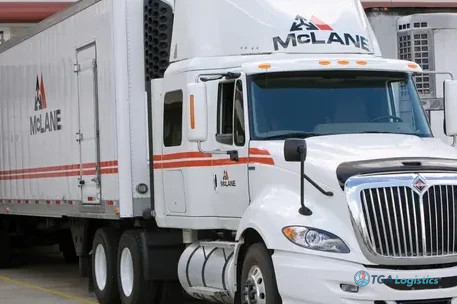
Major Retailers Secure New Supplier Deals
Among the notable developments, Love’s Travel Stops and Circle K significantly enhanced their supplier relationships. Both companies secured new or expanded supplier agreements during 2025. These deals aim to strengthen their procurement processes and optimize product flow across their extensive networks.
Such agreements play a crucial role in ensuring consistent product availability and negotiating favorable terms. By broadening or deepening their supplier partnerships, these retailers position themselves for improved operational resilience and competitive advantage in the dynamic market.
In 2025, major convenience store retailers significantly bolstered their supply chains. Love's and Circle K secured new supplier deals to optimize procurement, while Kwik Trip and RaceTrac opened new distribution centers to enhance logistics. These strategic investments aim to create more robust, efficient, and responsive supply chains across the sector.
Infrastructure Expansion with New Distribution Centers
Concurrently, other prominent players focused on infrastructure investments to streamline their supply networks. Kwik Trip and RaceTrac, for instance, opened new distribution centers in 2025. These strategic facilities represent a direct investment in logistics efficiency.
Distribution centers allow retailers to manage inventory more effectively, reduce transportation costs, and accelerate product delivery to individual stores. This localized approach minimizes lead times and ensures shelves remain stocked, directly benefiting customer experience.
Strategic Implications for the Sector
These diverse supply chain initiatives underscore a broader trend within the convenience store industry. Retailers actively pursue strategies that enhance their operational backbone. Whether through new supplier relationships or expanded physical infrastructure, the goal remains consistent: creating more robust and responsive supply chains.
The collective actions of these major convenience store chains in 2025 highlight an industry-wide commitment to modernization and efficiency. These moves will likely influence future logistics strategies across the entire sector, pushing for greater innovation in how products reach consumers.