


Bourbon giant Jim Beam has announced a significant, temporary cessation of production at its primary Kentucky distillery. The company plans a year-long pause in operations at its flagship manufacturing plant, a move reflecting current market dynamics.
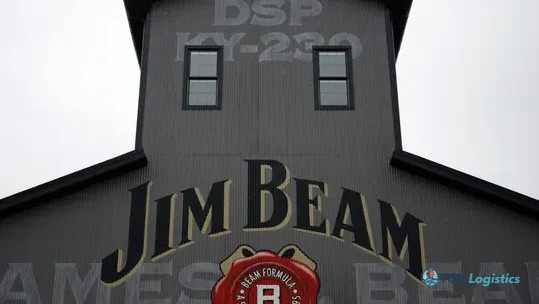
This decision underscores broader challenges facing the spirits industry. The distiller navigates a landscape marked by a general downturn in overall alcohol consumption. Additionally, substantial financial pressures stem from high barrel-aging taxes.
Operational Pause Details
The announced year-long hiatus directly impacts Jim Beam’s main production facility in Kentucky. This strategic adjustment allows the renowned bourbon maker to reassess its operational footprint and market strategy.
While production ceases for the full year, the company emphasizes the flagship plant remains a crucial asset. This period will facilitate a comprehensive review of future production needs and efficiency across their operations.
Jim Beam is temporarily halting production at its main Kentucky distillery for a year, driven by a general downturn in alcohol consumption and significant barrel-aging taxes. This strategic pause allows the bourbon giant to reassess its operational footprint and market strategy amidst evolving industry challenges.
Evolving Market and Consumption Trends
A key driver behind Jim Beam’s decision is the broader decline in alcohol consumption. This trend presents a significant challenge for established brands across the entire beverage industry.
Consumers are increasingly opting for non-alcoholic alternatives or moderating their intake. This shift in preferences directly influences sales volumes and requires companies to adapt their long-term strategies.
Financial Burdens of Barrel-Aging Taxes
High barrel-aging taxes also contribute significantly to the current operational pause. These specific taxes impose considerable financial pressure on distillers, particularly within Kentucky.
The mandated aging process for bourbon means companies incur these tax liabilities for years before a product can reach market. Jim Beam, like other distillers, must factor these substantial, long-term costs into its overall business model and pricing strategies.