


Two of the world’s largest shipping companies, Maersk and CMA CGM, are adopting contrasting strategies regarding their routes through the Red Sea and Suez Canal amidst ongoing regional tensions. Their differing approaches highlight the complex decisions facing global logistics providers navigating volatile maritime corridors.
Maersk Reverts to Suez Canal
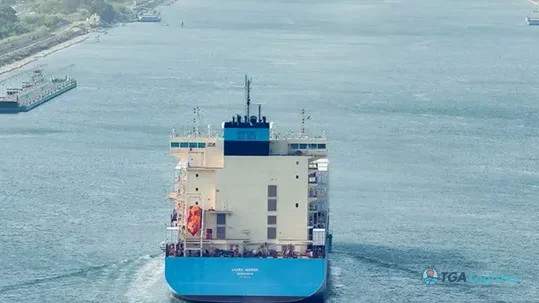
Danish shipping giant Maersk has initiated what it describes as its first structural return to routing vessels via the Suez Canal. This move signals a more permanent shift back to the shorter transit route for its services. The company’s decision indicates a reassessment of risks, allowing certain vessels to utilize the critical waterway.
Amidst Red Sea tensions, Maersk is returning to Suez Canal routes, reassessing risks for shorter transit. Conversely, CMA CGM is rerouting some vessels via the Cape of Good Hope, prioritizing security. These contrasting strategies highlight the complex decisions global shipping companies navigate in volatile maritime corridors.
CMA CGM Opts for Cape of Good Hope
In contrast, French carrier CMA CGM has altered its previous stance, opting to reroute some of its services away from the Red Sea. These specific vessels will now navigate the longer journey around the Cape of Good Hope, avoiding the Suez Canal entirely. This reversal demonstrates a cautious approach to regional security concerns for a portion of its fleet.
The divergent strategies underscore the fluid nature of maritime security in key global choke points. Each company assesses operational risks and supply chain stability differently, leading to varied routing decisions. These choices ultimately impact transit times, fuel consumption, and overall logistical costs for international trade.
Global shipping lines continue to grapple with the unpredictable environment in the region. The varied responses from industry leaders like Maersk and CMA CGM reflect the ongoing challenges in maintaining efficient and safe global supply chains.