


FedEx plans to close more than 475 stations across its network as part of its sweeping “Network 2.0” initiative. This significant move marks a pivotal step in the delivery giant’s broader network consolidation strategy. An executive confirmed these strategic changes, outlining a clear path for future operations designed to enhance efficiency and service.
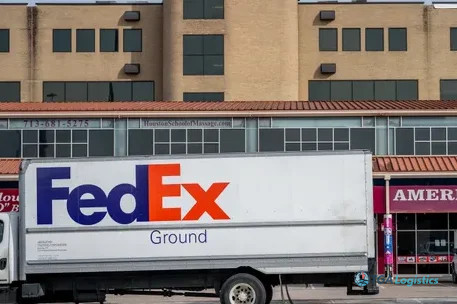
Strategic Consolidation Underway
The comprehensive “Network 2.0” initiative directly drives these extensive station closures. This ambitious plan aims to streamline FedEx’s vast operational footprint, optimizing its ground and express networks. Through this significant consolidation, the company seeks to achieve greater efficiency and more effective resource allocation across its entire system. This strategic overhaul reflects a proactive approach to evolving logistical demands.
Shifting Focus to Metro Areas
A core component of the new strategy involves FedEx shifting its primary focus towards large metropolitan areas. The company will now prioritize these densely populated urban centers for its streamlined operations, aligning resources where demand is highest. This strategic pivot reflects an adaptation to modern e-commerce trends and the concentration of delivery needs in major cities.
FedEx is closing over 475 stations as part of its "Network 2.0" initiative to consolidate operations and enhance efficiency. This strategic move aims to streamline its ground and express networks by shifting focus and prioritizing service in large metropolitan areas and urban hubs, adapting to modern e-commerce demands.
Prioritizing Urban Hubs
San Francisco stands as a prime example of the type of urban center FedEx will prioritize under Network 2.0. By concentrating resources in key hubs, the company aims to enhance service quality and speed in these critical markets. This targeted approach underpins the entire Network 2.0 strategy, ensuring more agile and responsive delivery capabilities in high-volume areas.
The planned closure of over 475 stations underscores FedEx’s deep commitment to its Network 2.0 vision. This strategic realignment positions the company for more efficient and competitive service in the evolving logistics landscape. By consolidating operations and focusing on key metropolitan areas, FedEx aims to optimize its infrastructure. The company also seeks to adapt its business model to current market realities effectively.