


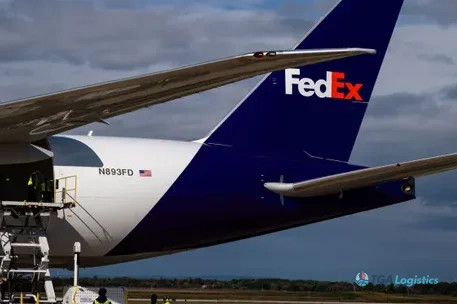
Global shipping giant FedEx has initiated a lawsuit against the United States government. The company seeks refunds for tariffs originally imposed during the Trump administration. This legal action by the major carrier follows a recent Supreme Court decision.
The Basis of the Legal Challenge
FedEx’s lawsuit specifically targets duties levied during the Trump era. The company aims to recover funds associated with these financial impositions. This move highlights the continued impact of past trade policies on large corporations.
The carrier’s legal argument directly stems from a recent Supreme Court ruling. This decision invalidated certain duties previously imposed under the International Emergency Economic Powers Act (IEEPA). The Supreme Court’s judgment provides a key foundation for FedEx’s claim.
FedEx is suing the U.S. government for refunds on Trump-era tariffs, following a Supreme Court decision. The ruling invalidated certain duties imposed under the International Emergency Economic Powers Act (IEEPA), clarifying limits on presidential authority to levy such tariffs. This legal challenge could influence similar claims from other affected businesses.
Implications of the Supreme Court Decision
The Supreme Court’s invalidation of specific IEEPA-imposed duties set a new precedent. This ruling effectively opened avenues for companies to challenge past tariff collections. It clarified the scope of presidential authority in levying such duties.
The IEEPA grants the President authority to regulate international commerce during national emergencies. However, the court’s decision clarified limits on this power. This interpretation directly impacts how tariffs can be applied and sustained.
FedEx’s lawsuit represents a direct response to this significant legal shift. It underscores the financial implications of trade policies for global logistics operators. The outcome could influence similar challenges from other affected businesses.