


The landscape of warehouse automation is undergoing a significant transformation. Once primarily the domain of large corporations, the adoption of advanced robotics is now rapidly expanding to encompass small and medium-sized enterprises (SMEs). This shift marks a pivotal moment for supply chain management, making sophisticated technology accessible to a broader range of businesses.
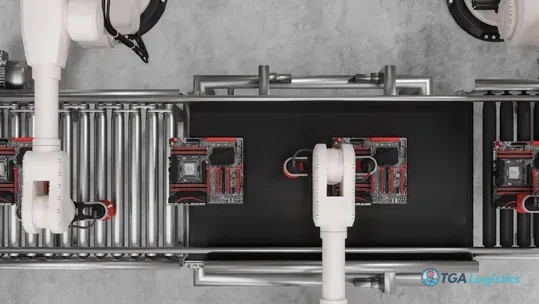
This surge in SME investment in automation technology within their supply chains is not accidental. It stems from a combination of flexible “as-a-service” (XaaS) models and compelling success stories from industry peers. These factors empower smaller businesses to implement solutions previously exclusive to giants like Walmart and Amazon.
Democratizing Automation Technology
For years, the sheer capital investment and operational complexity of robotics deterred many SMEs from exploring automation. Only companies with vast resources could justify the upfront costs and dedicated infrastructure. This created a clear divide between industry leaders and smaller competitors.
However, the technological evolution and innovative business models have begun to dismantle these barriers. Robotics is no longer a luxury; it is becoming an essential tool for efficiency and competitiveness across all business sizes. SMEs now actively seek ways to integrate automation into their logistics operations.
Warehouse automation, once exclusive to large corporations, is now rapidly expanding to small and medium-sized enterprises (SMEs). This democratization is fueled by flexible "as-a-service" models and compelling peer success stories, making advanced robotics an essential tool for improving efficiency and competitiveness across all business sizes.
The “As-a-Service” Advantage
One of the primary drivers behind this democratization is the proliferation of “as-a-service” (XaaS) models. These offerings allow businesses to access robotic systems and their associated services through subscription-based agreements, rather than outright purchase. This significantly reduces the initial capital outlay.
XaaS models transform a large capital expenditure into a more manageable operational expense. This financial flexibility enables SMEs to deploy cutting-edge automation solutions without straining their budgets. Businesses can scale their robotic operations up or down as demand fluctuates, providing unprecedented agility.
Peer Success Stories as Catalysts
Beyond financial accessibility, the demonstrable success of other SMEs using robotics plays a crucial role. When businesses observe their peers achieving tangible benefits—such as increased efficiency, reduced labor costs, and improved accuracy—they gain confidence in the technology’s potential.
These real-world examples serve as powerful case studies, validating the return on investment for smaller operations. They illustrate how robotics can solve specific logistical challenges relevant to SMEs, fostering a greater willingness to invest. This peer-driven validation helps overcome initial skepticism and accelerates adoption across various sectors.
The expanding use of warehouse robotics signals a future where advanced automation is ubiquitous. SMEs are no longer merely observing technological trends; they are actively participating in shaping the future of supply chain efficiency. This broad adoption promises to redefine competitive landscapes and operational benchmarks for businesses of all scales.