


Appliance manufacturer Whirlpool plans to cut over 300 jobs at its Amana, Iowa facility. This initial reduction comes as the company prepares for a second wave of layoffs later in the year. Union representatives, specifically the Machinists, are actively working to preserve affected positions. The company intends to shift production operations from the Iowa plant to its facilities in Mexico.
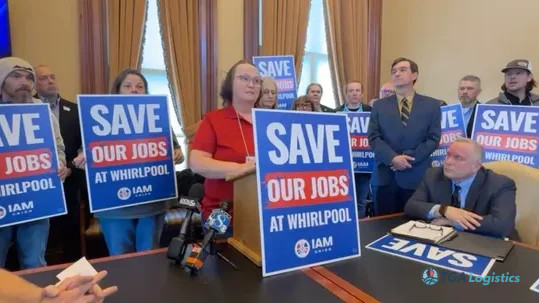
Workforce Reductions in Iowa
The first round of layoffs impacts over 300 employees at the Amana plant. These cuts represent a significant portion of the facility’s workforce. A second phase of job reductions will follow in the second quarter. This staggered approach signals a broader restructuring and reduced operational capacity.
Whirlpool plans to cut over 300 jobs at its Amana, Iowa facility, with more layoffs expected later. This decision stems from a strategic move to shift production operations to Mexico. The Machinists union is actively engaging with Whirlpool management to preserve the affected positions amidst the company's global restructuring.
Production Relocation Strategy
Whirlpool’s decision stems from a strategic move to consolidate production at its Mexican operations. The company aims to optimize its manufacturing footprint and enhance efficiency. This relocation directly results in job losses scheduled for the Iowa facility. It represents a significant shift in Whirlpool’s global production strategy.
Union Efforts to Preserve Jobs
Machinists are actively engaging with Whirlpool management regarding the impending job cuts. They strive to find alternative solutions to save the positions slated for elimination. These efforts highlight the union’s commitment to its members and the local workforce. The outcome of these discussions remains critical.
The impending layoffs at Whirlpool’s Amana plant underscore ongoing industry shifts and corporate strategic adjustments. While the company moves forward with its production relocation, the union continues its fight to mitigate job losses. The Iowa facility faces substantial operational and workforce changes, impacting the local economy.