


A significant shortage in trucking capacity currently impacts the logistics market. This market condition prompts shippers to increasingly utilize intermodal transport solutions. They actively capitalize on favorable circumstances, especially while intermodal shipping remains more cost-effective than traditional over-the-road trucking. Logistics platform Uber Freight has observed and reported this evolving trend across the industry.
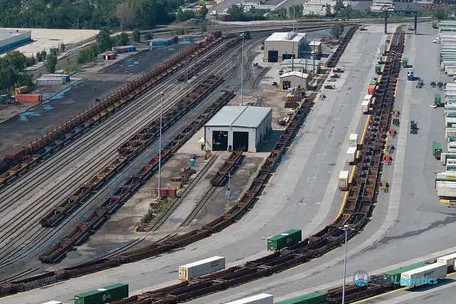
Trucking Capacity Crunch Emerges
The freight transportation sector faces a notable constraint: a reduction in available trucking capacity. This scarcity makes securing conventional truckload services more challenging for businesses. Consequently, companies must adapt their shipping strategies to maintain efficiency and meet delivery schedules.
Shippers Embrace Intermodal Solutions
In response to the capacity crunch, shippers are strategically redirecting their freight. They increasingly turn to intermodal transport, which combines multiple modes like rail and truck. This integrated approach offers a viable alternative to solely relying on traditional road transport.
A significant trucking capacity shortage is driving shippers to increasingly adopt intermodal transport. This shift is primarily due to intermodal shipping currently being more cost-effective than traditional trucking. Logistics platforms like Uber Freight confirm this evolving industry trend as businesses adapt to market conditions.
Capitalizing on Market Conditions
Businesses actively seek advantages within the current economic landscape. By shifting to intermodal, shippers position themselves to benefit from existing market conditions. They secure transport options that align with their operational needs and financial objectives.
Cost-Effectiveness Drives Decision
A primary driver behind this shift is the economic benefit. Intermodal shipping presently offers a more cost-effective solution for freight movement. This financial advantage stands in contrast to the rates associated with traditional over-the-road trucking services.
Shippers prioritize optimizing their supply chain expenditures. The current disparity in pricing makes intermodal an attractive option. They are moving quickly to leverage these savings before market forces potentially equalize rates across different transport modes.
Industry Insights from Uber Freight
Logistics technology provider Uber Freight has highlighted this market transformation. Their observations confirm the growing preference for intermodal options among shippers. The platform’s data illustrates how companies are adjusting their strategies to navigate the tight trucking market.