


Title: Geopolitical Tensions Reshape Air Cargo Contract Negotiations
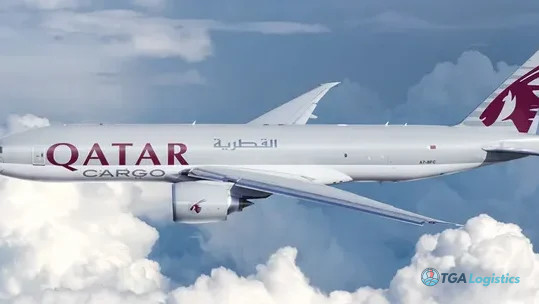
Global geopolitical events are currently reshaping the air cargo industry. Ongoing contract negotiations face significant influence from the Iran war, according to recent reports. This broader conflict directly contributes to escalating operational costs for carriers, fundamentally altering the dynamics between freight providers and their clients.
Geopolitical Pressures on Global Freight
The stated Iran war generates a ripple effect across international markets. This instability directly translates into economic pressures for the logistics sector, particularly air freight. Carriers now navigate a more volatile environment, where external conflicts quickly impact operational viability and pricing strategies.
Such geopolitical shifts often lead to supply chain disruptions and increased risk premiums. These factors collectively drive up the cost of doing business for airlines transporting goods worldwide. Consequently, the industry must adapt to rapidly changing conditions.
Geopolitical tensions, like the Iran war, are reshaping air cargo contract negotiations. Surging jet fuel costs, driven by global instability, are escalating carrier operational expenses and causing significant rate hikes on key routes. This boosts carriers' leverage, making negotiations challenging for shippers.
Soaring Jet Fuel Costs Drive Up Rates
A primary factor in the current market conditions involves the rising cost of jet fuel. Geopolitical tensions frequently contribute to volatility in global energy markets, pushing fuel prices upward. This directly impacts air cargo rates, as fuel represents a substantial portion of an airline’s operating expenses.
As fuel costs climb, carriers pass these increased expenses onto shippers. This mechanism ensures their continued profitability and operational sustainability. The current environment highlights the direct link between global events and the price of air freight services.
Significant Rate Hikes on Key Routes
Specific trade lanes have already experienced substantial rate increases. Routes from Northeast and Southeast Asia to North America, for instance, have seen significant adjustments. These increases fall within the mid to high double-digit range, indicating a considerable shift in pricing.
Such dramatic rate hikes underscore the severity of the market’s response to rising fuel costs and geopolitical uncertainties. Shippers utilizing these critical routes face considerably higher expenditures for their cargo movements.
The Evolving Negotiation Environment
These market shifts are profoundly influencing ongoing air cargo contract negotiations. Carriers possess stronger leverage due to their increased operational costs and the overall market volatility. Shippers, in turn, face more challenging discussions and potentially less favorable terms than in previous periods.
Both parties must navigate a complex landscape. The pressure to secure stable, yet economically viable, freight agreements intensifies for businesses reliant on air cargo services.
Xeneta Reports Market Shifts
Industry analytics firm Xeneta reported these critical insights. Their data highlights the direct correlation between rising jet fuel costs and the upward trend in air cargo rates. This information offers valuable context for stakeholders navigating the evolving freight market.
Xeneta’s findings underscore the immediate impact of global events on the commercial aviation sector. Their analysis provides a clear picture of the current challenges facing air cargo contract negotiations.