


Walmart has announced plans to close its fulfillment center located in Matteson, Illinois. This strategic decision is set to affect 111 employees currently working at the facility. The retail giant will reallocate the center’s current operations to other advanced NextGen facilities across its extensive fulfillment network.
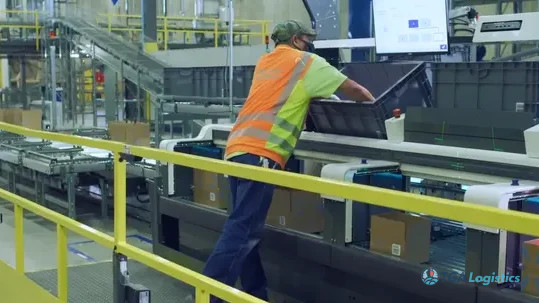
Matteson Facility Closure Details
The impending closure directly impacts 111 individuals employed at the Matteson site. This move signifies a significant adjustment within Walmart’s logistical operations in the Illinois region. The company has not yet released a precise schedule for the facility’s complete cessation of activities.
Employees affected by this decision will experience job displacement. Walmart confirmed the closure through an official statement, outlining its intent to streamline its distribution capabilities. Further information regarding support for the impacted workforce is anticipated as the transition proceeds.
Walmart is closing its Matteson, Illinois fulfillment center, affecting 111 employees. The company will reallocate operations to other advanced NextGen facilities to streamline its supply chain and optimize distribution capabilities. This strategic move reflects Walmart's ongoing efforts to enhance efficiency and adapt its logistics network to modern demands.
Strategic Relocation of Services
Rather than discontinuing the services performed in Matteson, Walmart plans to integrate these functions elsewhere. The operations will transition to various other NextGen facilities within the company’s robust supply chain. This approach aims to maintain operational continuity while optimizing resource allocation.
NextGen facilities are central to Walmart’s modern logistics infrastructure, designed for enhanced efficiency and speed. The relocation strategy suggests a focus on consolidating operations into these state-of-the-art hubs. This move aims to bolster overall network performance and adaptability in the evolving retail landscape.
This restructuring reflects Walmart’s ongoing efforts to adapt its supply chain to meet contemporary demands. The company continually seeks efficiencies in its vast distribution system. Such adjustments are common as large retailers evolve their operational models.