


Transpacific ocean shipping routes currently experience an upward trend in freight costs. This increase occurs even as demand for these crucial services appears to soften. Despite these shifting dynamics, market conditions within the transpacific sector are not undergoing drastic alterations. However, the broader ocean shipping industry confronts significant uncertainty, primarily linked to the ongoing conflict in Iran.
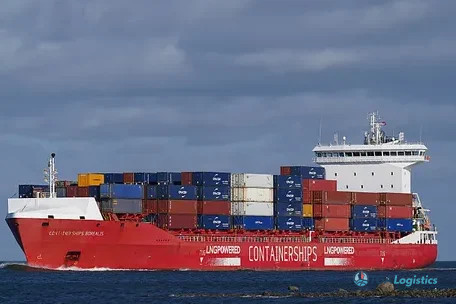
Transpacific Market Dynamics
Recent data indicates a clear rise in transpacific ocean shipping rates. This development presents a notable shift for carriers operating across the Pacific. Simultaneously, market signals suggest a softening in demand for container space on these very same routes. This dual pressure of rising costs and reduced demand creates a complex environment for shippers and logistics providers.
Transpacific ocean shipping costs are rising despite softening demand, yet the market remains largely stable. However, the broader global shipping industry faces significant uncertainty, primarily driven by the ongoing conflict in Iran, which poses risks to maritime security and key trade routes, impacting global planning and operations.
Impact on Market Stability
Despite the observed rate increases and the softening demand, these factors are not drastically altering the fundamental dynamics of the transpacific market. Analysts observe a degree of resilience within the sector. While costs adjust and demand fluctuates, the core structures and competitive landscape largely remain intact, preventing widespread disruption.
Wider Industry Uncertainty
Beyond the specific movements in transpacific rates, the global ocean shipping industry navigates a period of considerable instability. Various factors contribute to this apprehension, impacting planning and operational strategies worldwide. Stakeholders across the supply chain closely monitor these developments for potential ripple effects.
Geopolitical Impact: The Iran Conflict
A primary driver of the current uncertainty across the ocean shipping industry is the ongoing conflict in Iran. This geopolitical situation introduces significant risks, particularly concerning maritime security and the stability of key trade routes. The conflict’s potential to disrupt shipping lanes, alter fuel prices, or impact insurance premiums generates widespread concern among shipping lines and cargo owners globally.
The convergence of localized market shifts in the transpacific and broader geopolitical tensions creates a challenging outlook for the maritime sector. Industry participants face the task of adapting to these pressures while maintaining efficient global trade flows.