


Former President Donald Trump recently called for a 50% tariff on goods from countries supplying arms to Iran. He stated this duty would take effect immediately. However, the practical application of such a measure faces significant questions regarding its implementation. This uncertainty stems from past legal precedents.
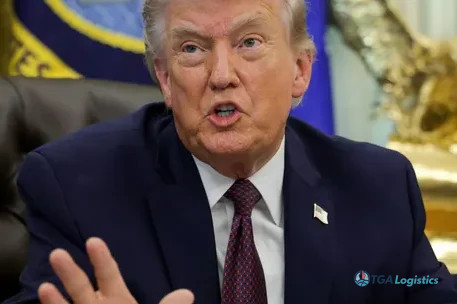
The Tariff Proposal
Trump’s proposal specifically targets goods originating from nations identified as arming Iran. The former president emphasized the immediate nature of this 50% levy. This move signals a potential shift in trade policy towards countries engaging in such military support.
Hurdles to Implementation
Implementing this proposed tariff presents considerable challenges. A Supreme Court decision previously limited Trump’s authority to impose broad levies. This ruling raises doubts about the executive branch’s capacity to unilaterally enact a wide-ranging economic measure.
Supreme Court’s Past Rulings
The Supreme Court’s prior judgment specifically clipped presidential power in issuing extensive duties. This legal precedent means any new, broad tariff proposals would likely face intense scrutiny. Legal experts might review the scope of presidential authority in trade matters.
Trump’s call for a 50% tariff highlights his continued focus on international trade and national security. Yet, the path to enacting this duty appears complex. The legal framework surrounding presidential tariff authority will likely dictate the feasibility of this significant proposal.