


Target is significantly expanding its next-day delivery services, a strategic move leveraging its subsidiary, Shipt. This initiative specifically aims to enhance direct-from-store shipping capabilities. The primary objective behind this expansion focuses on reducing overall operational costs, as company executives confirmed to Supply Chain Dive.
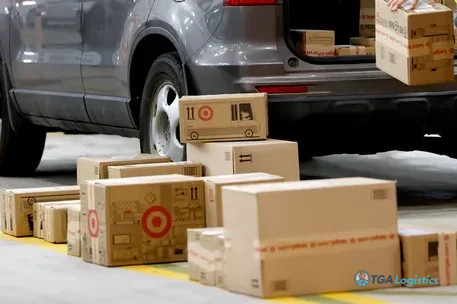
Bolstering Next-Day Delivery Services
The retail giant actively grows its next-day delivery options. This expansion focuses on fulfilling orders directly from its physical stores. By utilizing its extensive store network, Target seeks to streamline its distribution process. This approach potentially offers faster delivery times to customers.
Target is significantly expanding its next-day delivery services, leveraging its Shipt subsidiary for direct-from-store shipping. This strategic move utilizes its extensive store network to provide faster customer fulfillment. The primary objective behind this expansion is to significantly reduce overall operational costs, enhancing efficiency and competitive advantage.
Shipt’s Role in Fulfillment
Shipt, Target’s owned subsidiary, plays a central role in this strategic push. The company will facilitate the increased direct-from-store shipping volume. Shipt’s established delivery infrastructure and network of shoppers are crucial for this expansion. This integration allows Target to optimize its existing assets for faster service.
This collaboration further strengthens the synergy between Target’s retail footprint and Shipt’s logistics expertise. Shipt’s operational model supports efficient last-mile delivery. This partnership helps Target reach more customers quickly. It also enhances the overall customer experience.
Driving Down Operational Costs
A key driver for this expansion is cost reduction. Target executives indicated a clear focus on lowering operational expenses. Direct-from-store shipping can bypass traditional warehouse fulfillment steps. This method often reduces handling and transportation costs. Such efficiencies are vital for competitive advantage in the retail sector.
Optimizing delivery costs directly impacts Target’s profitability. Investing in more efficient delivery methods supports long-term financial health. This strategy reflects a broader industry trend. Many retailers seek innovative ways to manage logistics expenses. They also aim to meet growing consumer demands for speed.