


MGP Ingredients, a significant supplier to global beverage giant Diageo, has announced a temporary halt in production at two of its Kentucky whiskey distilleries. This strategic pause comes as the company navigates a market it characterizes as “structurally oversupplied.”
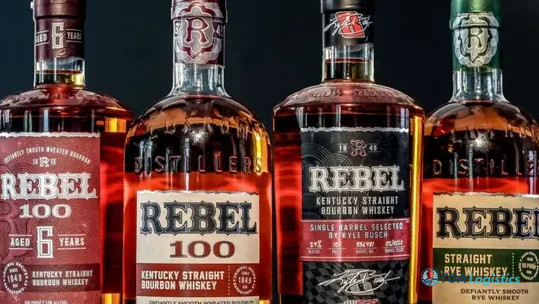
The decision directly reflects the compounding pressures of persistent tariffs and a broader, ongoing decline in alcohol consumption. These factors have significantly impacted demand within the whiskey sector, leading to an abundance of product in the market.
This operational adjustment by MGP Ingredients highlights a challenging environment for producers, particularly within a region synonymous with American whiskey. The company’s move underscores the intricate economic forces currently shaping the spirits industry.
Production Pause Details
MGP Ingredients, a prominent name in the spirits industry known for supplying various brands, confirmed the temporary cessation of operations at two of its facilities in Kentucky. This action specifically targets its whiskey production capabilities within the state.
While the company did not specify the exact duration of the pause, it emphasized the temporary nature of the measure. This decision allows MGP to realign its production with current market demand, mitigating further inventory buildup.
Market Dynamics and Contributing Factors
The company’s assessment points to a market facing an abundance of supply, outpacing current demand. This imbalance creates significant challenges for producers, affecting pricing strategies and inventory management across the industry.
MGP Ingredients temporarily halted whiskey production at two Kentucky distilleries, citing a "structurally oversupplied" market. This strategic pause is driven by persistent international tariffs, which reduce exports, and a broader decline in alcohol consumption. The decision underscores significant economic pressures and evolving consumer habits challenging the whiskey sector and the wider spirits industry.
Impact of Tariffs
International trade tariffs have played a considerable role in shaping the current market landscape. These levies often increase the cost of exporting American whiskey, making it less competitive in key global markets.
Consequently, a portion of the product intended for export remains within domestic channels, exacerbating the existing oversupply. Tariffs effectively bottleneck the flow of goods, compounding internal market pressures.
Shifting Consumer Habits
Beyond trade barriers, evolving consumer preferences also influence demand. A noticeable trend toward reduced alcohol consumption, particularly among younger demographics, has contributed to a general slowdown in the spirits market.
Health and wellness trends frequently drive these shifts, prompting consumers to seek low-alcohol or non-alcoholic alternatives. This long-term change in behavior presents an ongoing challenge for traditional beverage producers.
Broader Industry Implications
MGP Ingredients’ decision sends a clear signal across the wider whiskey industry. As a major bulk spirits producer, its operational adjustments can have ripple effects, potentially influencing supply chains and pricing for other brands that rely on contract distillation or bulk purchases.
This situation underscores the need for strategic adaptation within the sector. Producers must continually evaluate market conditions to maintain operational efficiency and long-term viability in a dynamic global economy.