


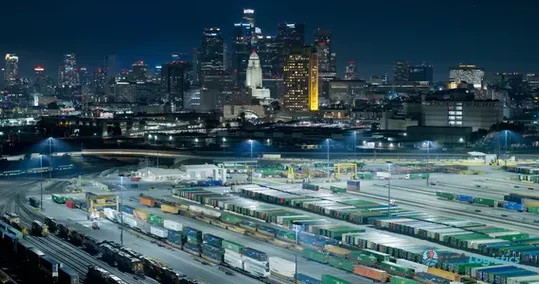
Modern supply chains navigate a landscape increasingly defined by unpredictable fuel prices and constrained transport capacity. In this challenging environment, intermodal solutions have emerged as a cornerstone for building robust and contemporary logistics networks. This strategic integration of various transport modes fundamentally reshapes how goods move.
The Strategic Imperative
Intermodal transport is not merely an option; it stands as an essential component for resilient supply chains today. Businesses face significant hurdles from volatile fuel costs, which directly impact operational budgets and profitability. Moreover, the tightening of transport capacity across different sectors demands innovative approaches to maintain consistent delivery schedules.
Addressing Key Challenges
Fuel price volatility presents an ongoing challenge, making cost prediction and management difficult for logistics planners. By leveraging intermodal strategies, companies can often mitigate these fluctuations through more fuel-efficient rail or sea segments. Simultaneously, the persistent issue of limited transport capacity, whether in trucking or rail, finds relief in a system that optimizes available resources across modes.
Core Benefits of Integration
Strategic intermodal integration offers tangible advantages beyond cost and capacity management. It significantly enhances operational efficiency across the entire supply chain. This approach allows for smoother transitions between transport modes, reducing bottlenecks and optimizing transit times, especially over longer distances.
Operational Efficiency and Visibility
Improved operational efficiency stems from the seamless coordination inherent in intermodal systems. Goods move with greater fluidity, minimizing delays and maximizing resource utilization. In addition, this integrated approach dramatically improves supply chain visibility. Companies gain clearer insights into the real-time location and status of their freight, enabling better planning and quicker responses to disruptions.
Redefining Transport Distances
The strategic shift to intermodal transport is also redefining traditional notions of optimal transport distances. What was once considered a standard “length-of-haul” for a single mode is now being re-evaluated. Intermodal strategies allow for efficient movement over longer distances by combining the strengths of different modes, such as the speed of trucking for the “first and last mile” with the cost-effectiveness of rail for the long haul.
This redefinition means businesses can optimize their routes and modes based on a more holistic view of cost, speed, and environmental impact, rather than relying solely on single-mode economics. The “new length-of-haul” reflects a more adaptable and economically sound approach to freight movement in a dynamic global market.
Ultimately, intermodal solutions provide a critical framework for modern supply chains to adapt and thrive. They offer a pathway to enhanced efficiency, greater visibility, and a more resilient operational model in the face of ongoing market complexities.