


The Federal Reserve recently opted to maintain its benchmark interest rate at its current level. This decision comes as the central bank expressed mounting concerns over potential economic instability, specifically highlighting risks to both employment and inflation stemming from the ongoing conflict involving Iran.
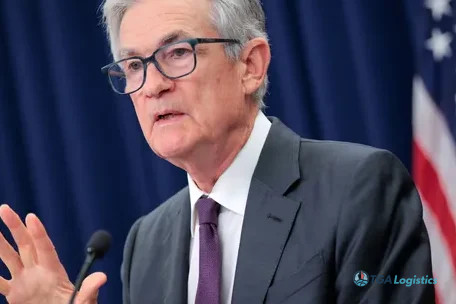
Federal Reserve’s Rate Decision
In its latest policy meeting, the Federal Reserve decided to keep its key interest rate unchanged. This move signals a cautious approach by policymakers as they assess the evolving economic landscape. The central bank continues to monitor various indicators before considering any adjustments to monetary policy.
Economic Outlook and Geopolitical Risks
Central bank officials articulated their apprehension regarding the economic outlook. They specifically pointed to potential challenges in the labor market, suggesting that job growth could face headwinds. Additionally, the Fed noted a risk of upward pressure on inflation, which could impact consumer purchasing power and overall economic stability.
These identified economic risks are directly attributed to the conflict involving Iran. Geopolitical tensions often create volatility in global markets, affecting supply chains and commodity prices, which in turn can influence domestic employment and inflation rates.
Powell’s Post-Chairmanship Plans
Beyond the immediate policy decisions, Federal Reserve Chair Jerome Powell made a significant announcement regarding his future. His term as Chair concludes in May. However, Powell stated his intention to remain on the Fed’s Board of Governors as a governor.
The Federal Reserve maintained its benchmark interest rate due to concerns over economic instability, particularly risks to employment and inflation stemming from the Iran conflict. Chair Jerome Powell also announced he would remain on the Board of Governors post-chairmanship to uphold the Fed's independence.
Upholding Independence
Powell’s decision to continue serving on the board is driven by a desire to safeguard the institution’s autonomy. He emphasized his commitment to ensuring the Federal Reserve operates free from political interference. This move aims to reinforce the central bank’s independence in making critical economic policy decisions.