


Title: Customs Revisions Ahead: Shippers Advised to Prepare
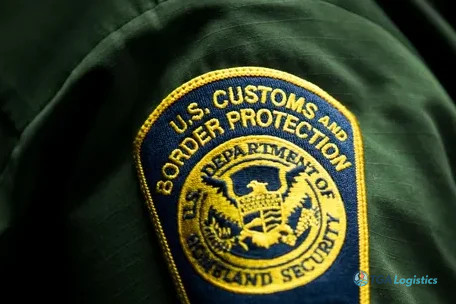
The Trump administration is poised to introduce significant revisions to established customs regulations. This development signals a critical period for international shippers, who must now prepare for a changing operational landscape. Experts emphasize that proactive measures are essential to navigate these impending shifts effectively.
Understanding the Impending Regulatory Shift
The upcoming changes to customs rules represent a notable shake-up in how goods move across borders. These revisions, originating from the Trump administration, could alter existing import and export procedures, potentially impacting everything from documentation to duty assessments. Businesses engaged in international trade face a period of adjustment to ensure continued compliance and smooth operations.
Crucial Preparations for Businesses
In anticipation of these regulatory developments, companies must undertake specific actions. The focus remains on two primary areas: a thorough evaluation of importer of record arrangements and the cultivation of deep supply chain visibility. These steps are deemed critical for mitigating risks and maintaining operational efficiency under the new framework.
The Trump administration is revising customs regulations, requiring international shippers to prepare for changes impacting import/export procedures. Businesses must proactively evaluate importer of record arrangements and enhance supply chain visibility. These critical steps ensure compliance, mitigate risks, and maintain operational efficiency under the new framework, facilitating a smoother transition into the updated regulatory environment.
Reassessing Importer of Record Roles
The importer of record (IOR) is the entity legally responsible for ensuring imported goods comply with all local laws and regulations. This responsibility includes accurate valuation, classification, and payment of duties and taxes. Experts advise companies to thoroughly evaluate their current IOR arrangements. This review should confirm responsibilities, identify potential liabilities, and ensure the designated IOR can meet any new compliance burdens introduced by the revised rules.
Enhancing Supply Chain Transparency
Deep supply chain visibility means understanding the location and status of goods at every stage of their journey. This comprehensive oversight allows companies to react swiftly to unforeseen challenges or regulatory changes. With new customs rules on the horizon, enhanced visibility becomes indispensable. It enables businesses to quickly adapt logistics, reroute shipments, or adjust documentation, minimizing delays and potential penalties.
Expert Recommendations for Navigating Changes
Industry experts consistently recommend these proactive steps for international shippers. The goal is to build resilience and adaptability into their trade operations. Companies neglecting these preparations risk encountering disruptions, increased costs, or compliance issues once the new customs rules take effect. A forward-thinking approach will be vital for maintaining competitive advantage.
As the Trump administration moves forward with these customs rule revisions, businesses must prioritize their readiness. Evaluating importer of record arrangements and achieving robust supply chain visibility are not merely suggestions; they are strategic imperatives. Diligent preparation will ensure a smoother transition into the new regulatory environment.