


Title: Ocean Shipping Adapts Amidst Global Headwinds
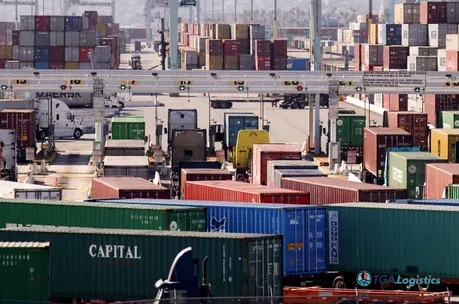
Ocean shipping faces a challenging and unpredictable second half of the year, according to Gene Seroka, Executive Director of the Port of Los Angeles. This forecast emerges despite the Port of Los Angeles reporting a robust June, handling over 1 million Twenty-foot Equivalent Units (TEUs). The broader industry uncertainty stems largely from ongoing global trade disputes, particularly tariffs, and escalating geopolitical tensions, such as those involving Iran. These factors are prompting shippers to re-evaluate established operational traditions.
Port of Los Angeles Shows Strength
The Port of Los Angeles demonstrated significant activity in June, processing over 1 million TEUs. This performance highlights the port’s continued capacity and importance within the global supply chain. Such a strong monthly figure provides a positive data point against a backdrop of increasing caution across the sector.
Navigating Industry Challenges
Despite strong individual port performance, the overall outlook for ocean shipping remains uncertain. Industry leaders are closely monitoring a confluence of global factors that could significantly impact trade flows and operational stability. This creates a complex environment for planning and logistics.
Ocean shipping faces an unpredictable second half of the year, despite the Port of Los Angeles' strong June performance. Global trade disputes, particularly tariffs, and escalating geopolitical tensions are the primary drivers of this uncertainty. These factors are compelling shippers to abandon traditional operational methods, forcing a re-evaluation of strategies to navigate the volatile global environment.
Impact of Trade Disputes
Global trade disputes, particularly the implementation of tariffs, introduce substantial unpredictability into shipping routes and cargo volumes. These measures disrupt long-standing supply chains and force businesses to reconsider sourcing and distribution strategies. Shippers must now navigate an evolving landscape of import duties and trade barriers.
Geopolitical Risks
Escalating geopolitical tensions, specifically those involving Iran, further complicate the shipping forecast. Potential conflicts in critical maritime regions can lead to heightened security risks, increased insurance costs, and disruptions to vital shipping lanes. Such instability compels carriers to assess alternative routes and contingency plans.
Shifting Operational Traditions
The combined pressure from tariffs and geopolitical threats is compelling ocean shippers to abandon traditional operational methods. Companies are exploring new strategies to mitigate risks and maintain efficiency. This involves re-evaluating everything from vessel deployment to cargo routing and inventory management in an effort to adapt to the volatile global environment.