


Major international shipping lines MSC and CMA CGM recently announced new surcharges. These fees will apply to vessels navigating the Panama Canal. The vital waterway currently faces increasing operational challenges, prompting this adjustment.
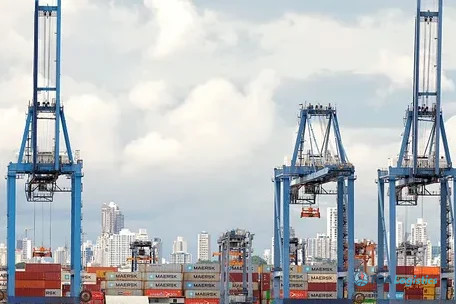
Ocean carriers state these additional charges are a necessary response. They point to ongoing operational constraints impacting the canal’s functionality. Significantly lower water levels also contribute to the decision, affecting transit efficiency.
Imposition of New Canal Fees
Two prominent global shipping companies, MSC and CMA CGM, confirmed the implementation of these additional costs. The surcharges target all ships using the Panama Canal. This strategic route connects the Atlantic and Pacific oceans, facilitating world trade.
The carriers have framed these new fees as an essential measure. They aim to address the current difficulties encountered within the canal system. This financial adjustment reflects the escalating pressures on the critical maritime passage.
Underlying Challenges at the Waterway
The decision to introduce surcharges stems directly from specific issues plaguing the Panama Canal. Primarily, carriers cite two major factors: persistent operational constraints and markedly reduced water levels within the canal’s system.
Major shipping lines MSC and CMA CGM are implementing new surcharges for vessels using the Panama Canal. This is due to increasing operational challenges, including persistent constraints and significantly lower water levels, which severely impact the canal's functionality and transit efficiency.
Operational Strain on Transit
Operational constraints represent one key reason for the new fees. These limitations directly affect the canal’s ability to process vessels smoothly. Such hindrances can lead to delays and reduced overall capacity for shipping traffic.
Impact of Declining Water Levels
Critically, the Panama Canal experiences significantly lower water levels. This environmental factor severely impacts the waterway’s capacity. Reduced water depth often necessitates lighter loads or fewer transits, thereby affecting efficiency.