


PepsiCo announced plans to cease its warehouse operations at an Oklahoma production site. This strategic shift will directly impact more than 180 warehouse employees. The company has set November 15 as the date for this operational change. Production activities at the facility, however, will continue without interruption.
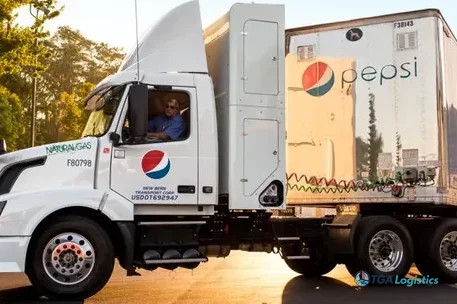
Operational Shift
Warehouse operations typically involve the storage, organization, and distribution of finished goods. This specific segment of the Oklahoma facility’s activities will now cease entirely. PepsiCo’s decision suggests a restructuring of its logistics or supply chain model for this region. The company aims to optimize its operational footprint.
PepsiCo will cease warehouse operations at an Oklahoma facility by November 15, affecting over 180 employees. This strategic shift aims to optimize logistics, though production activities at the site will continue uninterrupted. The company is restructuring its operational footprint while maintaining manufacturing output.
Employee Impact and Transition
The closure directly impacts over 180 warehouse employees, who now face job displacement. This significant number of affected personnel underscores the scale of the operational change. PepsiCo has not yet publicly disclosed details regarding severance packages or outplacement assistance for these workers, a common practice in such transitions.
Sustained Production Activities
Crucially, the manufacturing aspect of the Oklahoma facility will continue its full operations. This means the plant will keep producing various PepsiCo beverages and snacks, maintaining its role in the company’s regional supply chain. The separation of warehouse functions from production allows the manufacturing line to proceed unimpeded.
Timeline and Future Outlook
The November 15 deadline for the cessation of warehouse operations establishes a clear timeline for the transition. This move signifies a targeted adjustment in PepsiCo’s operational strategy within Oklahoma. The company’s focus appears to be on optimizing its logistical framework while ensuring consistent product output from the facility.