


Title: U.S. to Ease Mexican Cattle Import Restrictions
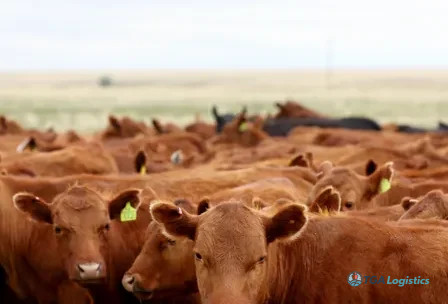
The United States is preparing to lift its ban on cattle imports from Mexico. This measure primarily aims to combat high beef prices for consumers across the nation.
The U.S. Department of Agriculture (USDA) will undertake the removal of these restrictions. This action aligns with the White House’s broader efforts to tamp down grocery inflation, a significant concern for American households.
Economic Rationale for the Change
The decision directly addresses the rising cost of beef. High prices at the meat counter have pressured household budgets. Policymakers anticipate that increased cattle imports will help stabilize or reduce these consumer costs.
This move integrates into a wider governmental strategy. The White House has prioritized initiatives to mitigate inflationary pressures. Addressing grocery inflation across various food categories remains a key objective.
Historical Context of the Ban
The original ban on Mexican cattle imports served a critical public health purpose. Authorities implemented these restrictions to contain the spread of a deadly livestock parasite. This measure protected domestic herds from potential outbreaks and disease.
The U.S. is lifting its ban on Mexican cattle imports to combat high beef prices and grocery inflation. The USDA's action, part of a White House strategy, aims to ease consumer financial burdens by increasing supply, balancing current economic needs with past animal health concerns.
USDA’s Role in Implementation
The U.S. Department of Agriculture holds responsibility for executing the lifting of these import barriers. The USDA will manage the logistical and regulatory aspects involved. This ensures a smooth transition for renewed cattle trade.
Ultimately, this policy shift balances historical animal health concerns with current economic realities. The United States seeks to alleviate financial burdens on consumers by increasing the supply of beef.