


Customs and Border Protection (CBP) has disbursed $100 billion in refunds for tariffs collected under the International Emergency Economic Powers Act (IEEPA). This payout marks a substantial financial milestone for the agency, reflecting a vast administrative effort.
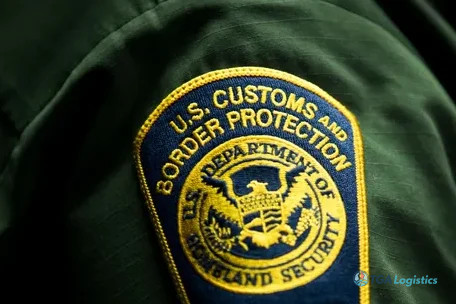
Despite this impressive benchmark, CBP has yet to launch a dedicated system for processing “finally liquidated entries.” This critical administrative delay stems directly from a pending appeal filed by the Department of Justice. The appeal continues to impede the agency’s full operational capability in this area.
The $100 Billion Refund Milestone
CBP’s repayment of $100 billion in IEEPA tariffs represents a considerable financial undertaking. These tariffs, often imposed for national security or foreign policy, involve complex calculations and extensive documentation. This figure highlights the agency’s role in managing vast sums related to international trade and economic policy.
This milestone underscores the financial impact of trade measures and the subsequent need for efficient refund mechanisms. Businesses and importers affected by these tariffs rely on CBP to process their claims accurately and promptly. Achieving this $100 billion figure demonstrates the scale of past tariff collections and subsequent repayments.
Unlaunched Processing System
A significant operational gap persists within CBP’s infrastructure. The agency has not yet implemented a system specifically designed to handle “finally liquidated entries.” This omission creates a bottleneck, preventing the streamlined completion of certain financial adjustments.
CBP has refunded $100 billion in IEEPA tariffs, a major milestone. Despite this, a dedicated system for "finally liquidated entries" is unlaunched, impeding full operational efficiency. This delay stems from a pending Department of Justice appeal, preventing streamlined finalization of certain tariff adjustments.
Impact of Delayed Processing
Without a dedicated system, the processing of these specific entries remains less efficient than ideal. This situation can affect the finality of certain trade transactions and potentially create administrative burdens for both CBP and the importing community. Full modernization of the refund process awaits this crucial system’s deployment.
Department of Justice Appeal
The delay in launching this vital processing capability directly links to an ongoing appeal from the Department of Justice. Legal proceedings often introduce complexities that can halt or postpone administrative developments. Until this appeal resolves, CBP faces limitations in fully developing and deploying its planned system for finally liquidated entries.
The nature of the appeal, while not specified, prevents CBP from moving forward with a critical technological upgrade. This legal hurdle underscores the intricate relationship between judicial review and government agency operations, particularly in areas involving substantial financial flows and trade regulations.
Future Outlook
CBP has successfully navigated the significant task of refunding $100 billion in IEEPA tariffs. However, the agency continues to operate without a fully integrated system for “finally liquidated entries.” The resolution of the Department of Justice appeal remains the key factor in unlocking this next phase of operational efficiency.
Stakeholders in the trade community watch for updates on the appeal’s progress. Its outcome will determine when CBP can fully implement the necessary infrastructure to handle all aspects of tariff refunds with complete administrative finality.