


The United States has implemented 50% tariffs on a range of imports from Canada, marking a significant escalation in trade relations between the two neighboring countries. These new levies, which took effect after negotiations stalled, have prompted an immediate and firm response from Ottawa.
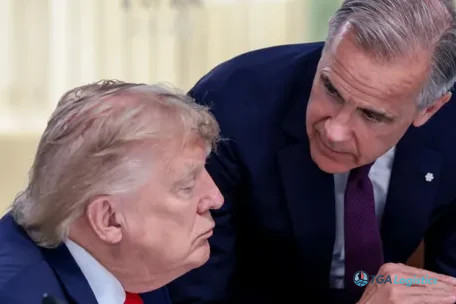
U.S. Tariffs Take Effect
Washington officially enacted the 50% tariffs on various Canadian goods. These measures are imposed under Section 338, a specific provision allowing for such duties. The implementation signals a direct action by the U.S. government regarding its trade posture with Canada.
The U.S. has imposed 50% tariffs on Canadian imports following stalled negotiations, marking a significant escalation in trade relations. Canada immediately vowed to retaliate with matching tariffs, setting the stage for a potential trade dispute between the two neighboring countries.
Negotiations Collapse
The tariffs became effective after the United States and Canada failed to reach a mutually agreeable resolution. Both nations had been engaged in discussions, attempting to avert the imposition of these levies. However, they could not secure an agreement before a critical Saturday deadline, leading directly to the tariffs’ activation.
Canada Prepares Retaliation
In response to the U.S. action, Canada has publicly vowed to retaliate. Canadian officials stated their intent to “match those tariffs dollar for dollar.” This declaration indicates a reciprocal approach, suggesting Canada will impose equivalent duties on U.S. imports.
The commitment to matching the tariffs “dollar for dollar” underscores Canada’s resolve to counter the economic impact of the U.S. levies. This move sets the stage for a potential trade dispute, with both nations now having significant tariffs in place against the other’s goods.