


A recent Intel report has illuminated a significant disparity within the manufacturing sector, highlighting a considerable gap between industry leaders’ expectations for robotics integration and their current strategic preparedness. While a substantial majority of manufacturing executives anticipate managing advanced robot fleets in the near future, a much smaller proportion has established formal plans to accommodate this evolving workforce.
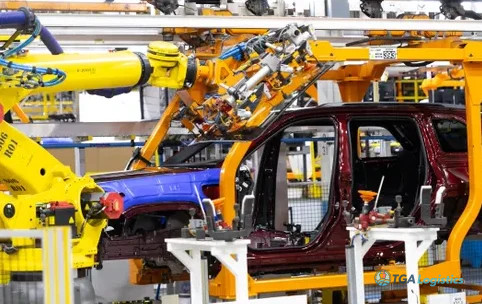
Anticipating an Automated Future
The report’s findings indicate a strong forward-looking perspective among manufacturing leaders. Specifically, 70% of these executives expect to be actively managing a fleet of robots within the next five years. This statistic underscores a widespread belief in the rapid and pervasive adoption of automation technologies across industrial operations.
This anticipation reflects a broader industry trend towards increased efficiency, precision, and productivity that robotics can offer. Leaders clearly see a future where automated systems play a central role in their production processes and supply chains.
The Current Strategic Divide
Despite these high expectations, the reality of current strategic planning presents a stark contrast. The Intel report reveals that only approximately four in ten, or 40%, of manufacturing leaders currently possess a formal strategy for effectively managing a workforce that combines both human and robotic elements. This figure points to a significant lag in preparation.
An Intel report reveals a significant gap in manufacturing: 70% of leaders expect to manage robot fleets within five years, yet only 40% have formal strategies for integrating human and robotic workforces. This disparity between high expectations and low strategic preparedness poses challenges for operational efficiency and successful automation adoption.
Addressing Workforce Integration
Developing a formal strategy for a mixed human-robot workforce involves more than just acquiring robots. It encompasses crucial considerations such as new training programs for human employees, redesigning workflows for collaboration, addressing safety protocols, and defining new roles. The absence of such strategies could lead to operational inefficiencies, unfulfilled potential, and potential friction within the workplace as automation expands.
Implications for Manufacturing Leaders
The discrepancy between expectation and readiness poses several challenges for the manufacturing industry. Companies without a clear strategy risk falling behind competitors who proactively plan for automation. They might struggle with seamless integration, optimal robot deployment, and maximizing their return on investment from new technologies.
Furthermore, a lack of strategic foresight can impact workforce morale and retention. Employees require clear pathways for upskilling and reskilling to adapt to new roles alongside robots. Proactive planning ensures a smoother transition and fosters a collaborative environment.
The Intel report serves as a critical indicator, urging manufacturing leaders to bridge this strategic gap. Aligning future expectations with current, actionable plans will be essential for successful navigation of the evolving industrial landscape and for harnessing the full potential of advanced robotics.