


Amazon reportedly anticipates a substantial decrease in its dependence on third-party carriers like USPS and UPS for package delivery. The e-commerce giant projects it will manage over 86% of its own package deliveries in the coming year. This forecast, detailed by Business Insider, includes a crucial caveat from Amazon, which emphasizes the preliminary nature of these internal estimates and their potential for revision.
Shifting Delivery Strategy
The projected 86% internal delivery rate signals a significant strategic pivot for Amazon. Such a high percentage indicates the company’s ongoing efforts to control more of its supply chain. This move aims to enhance operational efficiency and potentially reduce costs associated with external shipping partners.
Amazon projects managing over 86% of its own package deliveries next year, significantly reducing reliance on third-party carriers. This strategic shift, leveraging its expanding proprietary logistics network, aims to boost operational efficiency and control costs within its supply chain, though these internal estimates are preliminary.
Expanding the Logistics Network
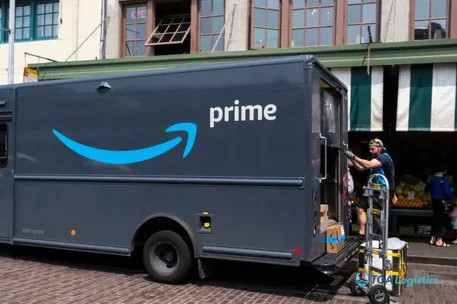
Amazon has steadily built a vast proprietary logistics infrastructure over recent years. This network includes a fleet of delivery vans, numerous sorting centers, and thousands of drivers. The company’s continued investment in these assets underpins its capability to handle a greater volume of its own shipments directly.
The Forecast and Its Caveats
Business Insider brought this internal projection to light. However, Amazon quickly highlighted that these are preliminary internal forecasts. The company’s caution underscores the dynamic nature of logistics operations and market conditions. These estimates may adjust based on various factors, including peak season demands, fuel costs, and labor availability.
Potential Industry Implications
This anticipated shift holds significant implications for the broader package delivery industry. A reduced reliance on USPS and UPS by such a major client could impact their revenue streams. It also intensifies competition in the last-mile delivery sector. Amazon’s strategy reinforces its commitment to end-to-end control over the customer experience.