


Title: Miami Air Cargo Navigates Post-Crash Runway Constraints
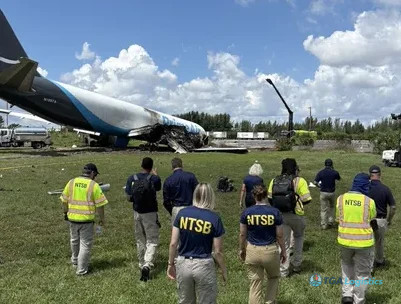
Miami International Airport experienced a deadly aircraft crash on Sunday, reportedly involving an Amazon-affiliated plane. The incident raised immediate concerns about potential disruptions to one of the nation’s busiest air cargo hubs. However, major freight operators quickly confirmed that their flight operations largely remained unaffected.
Immediate Cargo Operations Unaffected
Despite the severity of Sunday’s crash, leading air cargo carriers like FedEx and DHL Express reported normal flight operations at Miami International Airport. These companies represent a significant portion of the air freight traffic moving through MIA, suggesting a rapid and effective response from airport authorities to maintain essential services.
The swift confirmation from these key players indicated that the overall disruption to air cargo services at the airport remained limited. This outcome helped mitigate widespread concerns regarding potential delays for time-sensitive shipments.
A deadly plane crash at Miami International Airport initially left major air cargo operations unaffected, with key carriers reporting normal flights. However, the incident reduced runway capacity, posing a potential long-term challenge for airport efficiency and requiring adjusted scheduling.
Potential for Longer-Term Impact
While immediate flight schedules for cargo giants held steady, the incident introduced a critical operational challenge: reduced runway capacity. Such a condition at a high-volume airport like MIA necessitates careful management of all incoming and outgoing flights.
This reduction in available runways could lead to longer-term impacts on airport operations. Authorities will need to implement adjusted scheduling and traffic flow protocols, potentially affecting efficiency and contributing to cumulative delays over an extended period. The full scope of these longer-term adjustments remains under scrutiny.
In summary, Miami International Airport’s air cargo sector demonstrated resilience following Sunday’s crash. Although major carriers quickly stabilized their operations, the ongoing challenge of reduced runway capacity presents a complex operational hurdle that airport management will address in the coming weeks.