


The 2026 holiday season will introduce new delivery fees across major carriers, including USPS, FedEx, UPS, and Amazon. This year’s peak season surcharges notably exceed those from 2025, intensifying financial pressure on shippers. Businesses already contend with significant fuel costs, making these new fees a critical concern.
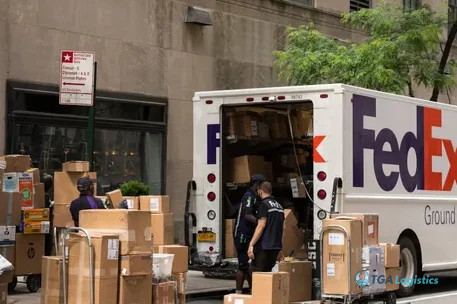
Escalating Peak Season Surcharges
For 2026, peak season surcharges have climbed higher than in previous years. This increase marks a significant shift in the cost landscape for logistics and e-commerce. Shippers must now factor these elevated fees into their operational budgets and pricing strategies.
Major carriers (USPS, FedEx, UPS, Amazon) will introduce significantly higher delivery fees for the 2026 holiday season, surpassing prior years. This, alongside existing fuel costs, will heavily strain shippers, forcing them to adapt strategies and compare carrier options to maintain profitability.
Mounting Financial Strain on Shippers
These increased surcharges place further financial pressure on an industry already facing considerable challenges. Shippers have consistently grappled with volatile fuel fees, which impact transportation costs significantly. The combination of these factors demands careful planning and adaptation from businesses.
The Carrier Fee Landscape
Businesses will conduct a comprehensive comparison of pricing from USPS, FedEx, UPS, and Amazon to navigate the 2026 holiday season. Each carrier implements distinct fee structures, and understanding these differences becomes crucial. Shippers aim to identify the most cost-effective and reliable delivery options amidst the evolving fee environment.
The higher 2026 delivery fees and existing fuel surcharges create a complex financial environment for shippers. Adapting to these changes requires strategic foresight and a thorough understanding of carrier-specific costs. Businesses must proactively adjust their shipping models to maintain profitability and meet consumer delivery expectations during the busy holiday period.