


In today’s dynamic global marketplace, businesses frequently find their traditional packaging inventory forecasts quickly becoming obsolete. This rapid obsolescence poses significant operational and financial challenges for companies striving for efficiency and adaptability.
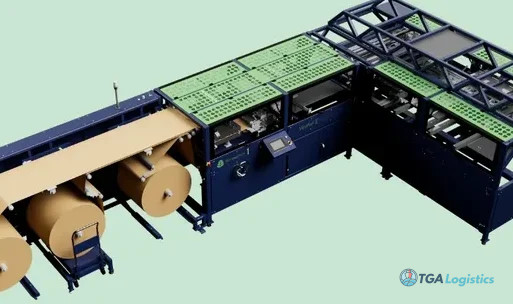
However, a growing number of high-volume shippers and prominent brands have already adapted to these dynamics by embracing on-demand packaging solutions. Their strategic adoption of this approach offers critical insights for any enterprise seeking to modernize its supply chain and maintain a competitive edge.
The Challenge of Outdated Forecasts
Traditional inventory models, once reliable, struggle to keep pace with modern market volatility. Unforeseen shifts in consumer demand, supply chain disruptions, and rapid product innovations quickly render static forecasts inaccurate. This leads to costly overstocking of obsolete materials or critical shortages that halt production and delay shipments.
Such inefficiencies directly impact profitability and customer satisfaction. Companies face increased warehousing costs for excess packaging, while obsolete stock represents wasted capital. Conversely, a lack of necessary packaging can disrupt fulfillment, damaging brand reputation and market responsiveness.
Embracing On-Demand Packaging Solutions
Leading high-volume shippers and major brands recognize the limitations of conventional forecasting. They have pivoted towards on-demand packaging, a flexible strategy that aligns packaging production precisely with current needs. This approach minimizes the risks associated with unpredictable market conditions.
On-demand packaging leverages advanced manufacturing and logistics to produce specific packaging quantities only when required. This shift moves companies away from speculative bulk purchasing and towards a responsive, data-driven supply chain model. It allows businesses to react swiftly to changes.
Traditional packaging forecasts are obsolete in volatile markets, causing costly inefficiencies. Leading companies adopt on-demand packaging, aligning production with current needs. This enhances supply chain agility, reduces waste, warehousing costs, and optimizes cash flow, proving vital for modern businesses' competitive edge.
Agility in a Volatile Market
This strategic pivot grants businesses unprecedented agility. They can quickly adjust packaging designs, materials, or quantities in response to new product launches, seasonal demand spikes, or unexpected market shifts. This flexibility ensures products always have appropriate and timely packaging.
Such responsiveness builds a more resilient supply chain. Companies reduce their vulnerability to external pressures and maintain operational continuity even amidst significant market fluctuations. This adaptability becomes a core competitive advantage.
Operational Efficiency and Cost Savings
Implementing on-demand packaging also drives substantial operational efficiencies and cost reductions. Businesses significantly cut down on warehousing expenses by holding less physical inventory. They also minimize waste from obsolete packaging materials.
Furthermore, this model optimizes cash flow by reducing capital tied up in slow-moving or outdated stock. It allows resources to be allocated more effectively to other critical areas of the business, fostering innovation and growth.
Strategic Imperatives for Modern Businesses
The success of high-volume shippers and major brands with on-demand packaging provides a clear roadmap. Businesses across all sectors must evaluate their current packaging strategies and consider this modern approach. Adapting to these new dynamics is no longer optional but a strategic imperative for survival and growth.
Integrating on-demand solutions can transform a company’s ability to respond to market changes, optimize costs, and enhance overall supply chain performance. It positions enterprises for sustained success in an increasingly unpredictable global economy.