


U.S. Customs and Border Protection (CBP) is preparing to expand its processing of tariffs imposed under the International Emergency Economic Powers Act (IEEPA). This initiative marks a significant adjustment in how the agency handles specific import duties.
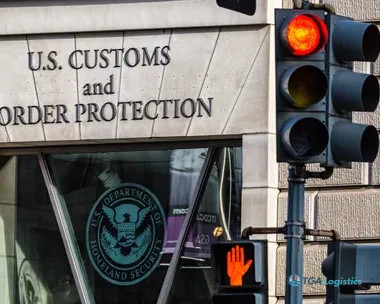
Beginning October 6, this expansion will make certain customs entries eligible for reimbursements. The change specifically targets those entries where the final duties and fees have been definitively determined.
Expanded Tariff Processing
CBP’s upcoming expansion directly addresses tariffs levied under the International Emergency Economic Powers Act. This Act grants the President broad authority to regulate international commerce during declared national emergencies.
The agency’s plan focuses on streamlining the process for affected parties. It ensures a clearer path for recovering certain tariff payments.
Starting October 6, U.S. Customs and Border Protection (CBP) will expand processing for International Emergency Economic Powers Act (IEEPA) tariffs. This change makes "finally liquidated" customs entries eligible for reimbursements, streamlining the recovery of specific tariff payments once duties and fees are definitively determined.
Defining Eligibility for Reimbursement
A key aspect of this expansion involves “finally liquidated” customs entries. This term signifies that the final duties, taxes, and fees owed on an import have been definitively calculated and settled by CBP.
Once an entry reaches this liquidated status, its financial obligations are considered complete. Under the new policy, these particular entries will qualify for potential reimbursements.
Implementation Timeline
Importers and other stakeholders should note the official start date for these new eligibility rules. The expansion of IEEPA tariff processing begins on October 6.
This timeline provides a clear window for those managing relevant customs entries. It allows them to prepare for the newly available reimbursement opportunities.