


International shippers and carriers are increasingly rerouting significant cargo volumes to the Port of Los Angeles, a vital component of the San Pedro Bay port complex. This strategic redirection signals a notable adjustment in established global shipping patterns, driven by a confluence of operational and economic factors.
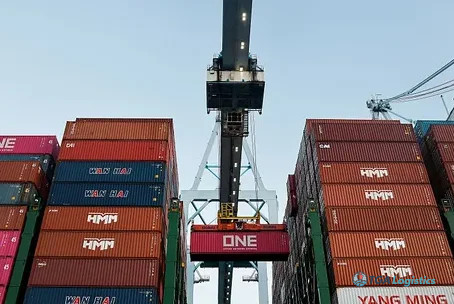
The primary catalysts for this shift are ongoing challenges affecting the Panama Canal and the persistent environment of elevated fuel costs. Maritime operators actively seek alternatives that mitigate potential delays and reduce operational expenses, making the Port of Los Angeles an attractive and viable option.
Panama Canal’s Operational Hurdles
The Panama Canal, a critical artery for global trade, currently faces operational challenges. These issues can lead to increased waiting times and uncertainty for vessels attempting transit. Disruptions at such a pivotal waterway compel carriers to explore alternative routes to maintain delivery schedules and supply chain reliability.
Navigating these constraints often means longer and less predictable journeys. Consequently, companies must weigh the benefits of a direct but potentially delayed canal passage against the reliability and efficiency offered by alternative gateways like the Port of Los Angeles.
International shippers are increasingly rerouting cargo to the Port of Los Angeles. This strategic shift is driven by Panama Canal operational challenges and persistent high fuel costs. The Port of Los Angeles offers a reliable alternative, mitigating delays and reducing expenses for global trade, solidifying its role as a crucial hub.
Economic Pressures from Fuel Costs
Beyond canal issues, high fuel costs significantly influence shipping decisions. Longer transit times inherently demand more fuel, escalating operational expenses for carriers. Avoiding extended journeys becomes a priority to control costs in a volatile energy market.
This economic pressure encourages a preference for routes that minimize time at sea. Shippers carefully calculate the cost-effectiveness of various paths, often finding that a quicker, albeit different, route outweighs the financial burden of prolonged voyages.
Port of Los Angeles Emerges as Key Alternative
The Port of Los Angeles, situated within the expansive San Pedro Bay port complex, offers a compelling solution to these challenges. Its capacity and established infrastructure provide a reliable entry point for goods destined for North America. Carriers can reduce transit times and mitigate the risks associated with canal delays.
This redirection underscores the port’s strategic importance in the global supply chain. Its ability to absorb increased cargo volume efficiently positions it as a crucial hub for international trade, particularly when other major routes face impediments.