


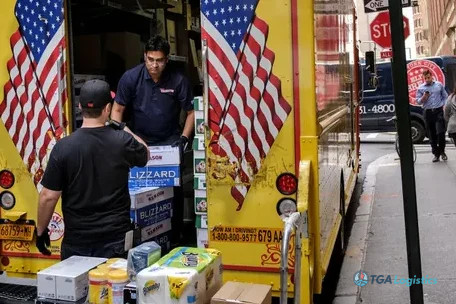
New York City has launched a significant $5 million program aimed at mitigating urban traffic congestion. This initiative specifically targets commercial deliveries, encouraging businesses to shift their operations to off-peak hours, primarily at night. The allocated funding will support companies as they adapt to this new logistical framework, seeking to create a more efficient urban environment.
Addressing Urban Congestion
The program directly confronts the persistent challenge of traffic congestion within the city. Daily commercial deliveries contribute substantially to gridlock, particularly during peak daytime hours. By incentivizing a move away from these busy periods, city officials hope to significantly reduce vehicle density on streets and improve overall traffic flow.
Incentivizing Off-Peak Operations
Central to the city’s strategy is a $5 million investment. This funding serves as a direct incentive for commercial entities. The goal is to motivate businesses to transition their delivery schedules to less congested times, such as late evenings or overnight. This financial support helps offset potential operational adjustments and costs associated with altering established delivery routines.
New York City launched a $5 million program to reduce urban traffic congestion by incentivizing commercial businesses to shift deliveries to off-peak and nighttime hours. This funding supports companies in adapting their logistics, aiming to decrease vehicle density and improve traffic flow during busy daytime periods.
Shifting to Nighttime Deliveries
A core aspect of this initiative involves actively promoting nighttime deliveries. Moving freight and packages during hours when fewer commuters and private vehicles are on the road offers a dual benefit: it eases daytime congestion and potentially allows for quicker, more reliable deliveries. The program specifically champions this shift as a key solution.
Operational Transition for Businesses
The $5 million allocation is designed to assist businesses through the practicalities of this operational change. Companies face various challenges when altering delivery schedules, including staffing adjustments, potential changes to loading dock availability, and new logistical planning. The city’s funding aims to provide the necessary resources to facilitate a smoother transition for these businesses, ensuring the program’s successful implementation across the commercial sector.