


Title: Washington’s Manufacturing Strategy: A Shifting Landscape
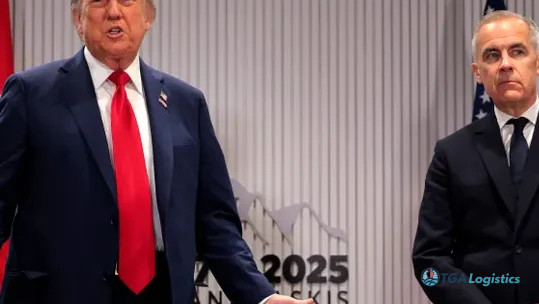
Washington’s approach to bolstering domestic manufacturing is under close scrutiny. A central question remains: has the nation’s strategy for industrial incentives truly transformed? Historically, the Trump administration pursued a distinct path, characterized by both the imposition of tariffs and a more focused, sector-specific application of incentives.
This previous methodology provides a stark contrast to the Biden administration‘s current approach. Observers now keenly examine the present landscape of industrial policy to understand its evolution. A recent report from the Department of Commerce offers a comprehensive overview of the various tools currently at the government’s disposal to support manufacturing.
Trump Era: Tariffs and Targeted Support
The Trump administration adopted a strategy that heavily relied on tariffs as a primary economic lever. These measures aimed to protect domestic industries by increasing the cost of imported goods. Concurrently, the administration implemented incentives with a clear sector-specific focus.
This meant directing support towards particular industries deemed critical or vulnerable. Such a targeted approach distinguished its policy from broader, more generalized economic stimuli. It aimed to foster growth and competitiveness within specific manufacturing segments.
Washington's manufacturing strategy has evolved, contrasting Trump's reliance on tariffs and targeted incentives with Biden's broader approach. The Biden administration now utilizes diverse tools, detailed by the Department of Commerce, to bolster domestic production, focusing on supply chain resilience, innovation, and workforce development.
Biden’s Divergent Industrial Policy
The Biden administration, however, has charted a different course for manufacturing incentives. While the overarching goal of strengthening domestic production remains, the methods employed signify a notable shift from the previous era. This divergence prompts ongoing analysis regarding the effectiveness and implications of the current policy framework.
Tools for American Industry
Understanding the government’s current capabilities requires examining the tools available. A recent Department of Commerce report meticulously outlines these mechanisms. It details the various programs, grants, and regulatory frameworks designed to bolster American manufacturing.
These tools collectively form the backbone of the nation’s contemporary industrial policy. They aim to address challenges such as supply chain resilience, technological innovation, and workforce development. The report provides a crucial reference for policymakers and industry stakeholders alike.