


FedEx continues the rollout of its Network 2.0 integration plan. This strategic initiative aims to enhance its global logistics capabilities. The comprehensive plan is projected for full completion by 2027. It represents a key effort to streamline operations, improve efficiency, and optimize service delivery across the carrier’s vast network.
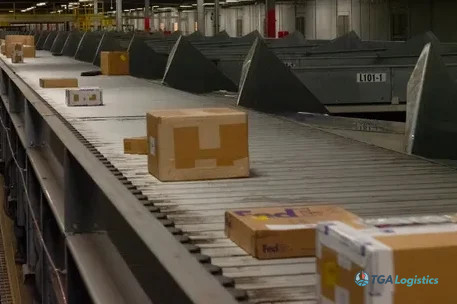
Strategic Network 2.0 Rollout
The Network 2.0 strategy involves integrating various operational components. These range from ground and express services to technological platforms. Its core goal is to create a more cohesive and agile system. This long-term project underscores FedEx’s commitment to modernizing its infrastructure and adapting to evolving shipping demands.
FedEx is rolling out its Network 2.0 integration plan to streamline global logistics, enhance efficiency, and optimize service delivery by 2027. Initial phases are complete in markets like Dallas and San Francisco, with further expansion, including Los Angeles, scheduled after the peak shipping season.
Current Progress and Key Markets
Initial phases of the integration are already complete in several important regions. Markets such as Dallas and San Francisco have successfully implemented Network 2.0. This demonstrates the viability of the new operational model. These early successes provide a crucial blueprint and valuable insights for future deployments.
Upcoming Expansion Phases
Following the upcoming peak shipping season, FedEx plans to extend Network 2.0 to new territories. Los Angeles, a critical hub for domestic and international shipping, is among the major markets slated for this expansion. Additional key locations will also see the integration take effect. This progressively widens the scope of Network 2.0.
Preparing for Peak Season
Currently, the carrier’s primary focus remains on the immediate operational demands of the year. FedEx is actively preparing for the busy holiday shipping period. This ensures its network can handle the anticipated surge in volume. This strategic pause in expansion ensures optimal readiness and service quality during the most critical time for shipping.
Once the holiday rush subsides, attention will shift fully back to advancing the Network 2.0 implementation across these new markets. This phased approach allows for strategic deployment. It also ensures effective management of critical seasonal operations. This balances long-term goals with immediate service commitments.