


Manufacturing industry advocates are strongly advocating for the ongoing application of tariffs, a position articulated following the recent midterm election outcomes. This call for sustained trade enforcement measures arises even as public opinion polls indicate growing weariness with import taxes.
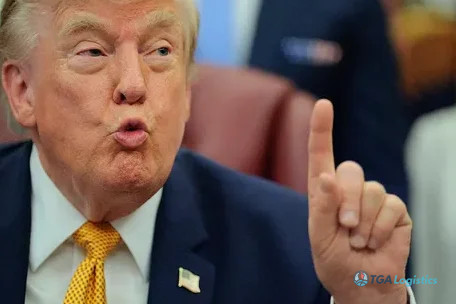
A significant report from the Alliance for American Manufacturing (AAM) underscores this stance. The organization warns that any rollback of current trade enforcement policies would constitute a “serious mistake,” reinforcing the industry’s demand for continued protectionist strategies.
Industry’s Stance on Trade Enforcement
The manufacturing sector’s appeal for continued tariffs highlights its belief in their necessity for safeguarding domestic industries. These advocates view existing trade enforcement as crucial for maintaining competitive balance and protecting American jobs in a global market.
Manufacturing advocates, including the AAM, are strongly pushing for continued tariffs and trade enforcement, warning that any rollback would be a "serious mistake." They argue tariffs protect domestic industries and jobs, despite public opinion showing growing weariness with import taxes. This advocacy aims to influence post-midterm legislative agendas.
Alliance for American Manufacturing’s Warning
The Alliance for American Manufacturing explicitly cautions policymakers against altering current trade protections. Their report emphasizes potential negative consequences should the nation reduce its reliance on import duties, framing such a move as detrimental to the economic health of the manufacturing base.
Public Opinion Versus Policy Advocacy
The industry’s robust defense of tariffs contrasts sharply with prevailing public sentiment. Recent surveys reveal a widespread public fatigue regarding import taxes, suggesting a desire among consumers for potentially lower prices and fewer trade barriers. This divergence presents a challenge for policymakers navigating economic strategy.
Despite public weariness, manufacturing groups assert that the economic benefits of tariffs outweigh the perceived burdens. Their post-midterm advocacy suggests a strategic effort to influence legislative agendas and ensure trade policies remain favorable to domestic production.