


Congress is currently considering three distinct legislative proposals. Each bill aims to significantly limit the President’s authority to impose tariffs. If enacted, these measures would introduce substantial new restrictions on executive power in trade matters. This initiative signals a broader desire for reform. Policy experts note a significant appetite for changes in trade policy, suggesting potential bipartisan cooperation to curb presidential tariff powers, especially those contentious from recent administrations.
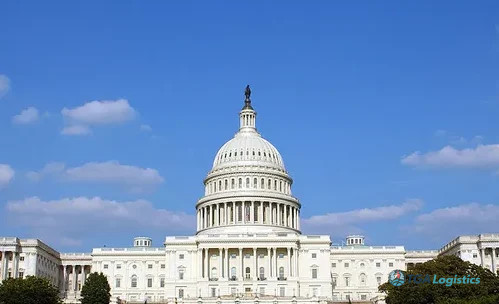
Legislative Proposals Emerge
The three bills before Congress represent a concerted effort to recalibrate the balance of power. These proposals specifically target the President’s ability to levy tariffs without direct congressional approval. Proponents argue such measures ensure greater accountability and predictability in trade. Should these efforts succeed, they would establish new parameters for executive tariff deployment, potentially altering U.S. trade policy.
Congress is considering three bills to significantly limit the President's authority to impose tariffs. This bipartisan initiative aims to reform trade policy, increasing accountability and predictability by strengthening congressional oversight. If enacted, these measures would redefine executive power, shaping a more stable U.S. approach to global commerce.
Drivers of Policy Change
A growing consensus among trade policy analysts points to a widespread desire for reform. Experts highlight current legislative momentum reflects a reaction to recent uses of presidential tariff authority. These uses have sometimes led to economic uncertainty and strained international relationships. Businesses and industries often seek clearer rules and a more stable trade environment, providing impetus for lawmakers to explore new trade management.
Prospects for Bipartisan Support
The potential for bipartisan collaboration on this issue appears significant. Both Democratic and Republican lawmakers have, at various times, expressed concerns about expansive executive tariff powers. While motivations may differ, a shared interest in strengthening congressional oversight could bridge partisan divides. Limiting presidential discretion on tariffs appeals to those seeking to reassert legislative authority and those aiming for more predictable international trade.
These legislative endeavors mark a critical juncture for U.S. trade policy. Their outcome will redefine presidential authority and shape the nation’s approach to global commerce. Discussions continue, focusing on balancing executive flexibility with congressional oversight for a stable, predictable international trade environment.