


The European Union is reigniting efforts to advance a framework pact for a tariff deal with the United States. This development follows U.S. President Donald Trump‘s decision to rescind his earlier plans to enact tariffs. Those previous threats were reportedly part of his broader campaign to annex Greenland, creating a unique context for the renewed diplomatic push.
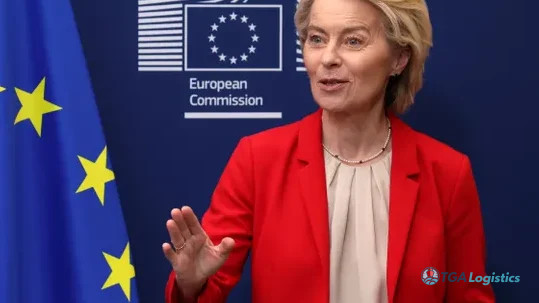
EU’s Renewed Trade Diplomacy
The bloc confirms its commitment to developing a comprehensive tariff agreement with the United States. EU officials aim to establish a more stable and predictable trade relationship with Washington. Renewing work on this framework pact signals a desire to de-escalate potential trade tensions and foster economic cooperation between the two major global economies.
President Trump’s Tariff Reversal
President Trump recently reversed his intentions to impose new levies, which had previously loomed over transatlantic trade. His administration had signaled these tariffs as a potential tool in its foreign policy agenda. The sudden rescission of these plans has cleared a path for renewed discussions and engagement on trade matters.
The EU is reigniting efforts for a tariff deal with the US, after President Trump rescinded earlier tariff threats. These threats were reportedly tied to his campaign to acquire Greenland. This renewed diplomatic push aims to de-escalate trade tensions and foster a more stable transatlantic economic relationship.
The Greenland Connection
Reports indicated that Trump’s initial tariff threats were directly linked to his campaign to acquire Greenland. This annexation effort involved various diplomatic overtures and public statements. The proposed tariffs were widely perceived as a form of leverage within these broader geopolitical ambitions, aiming to pressure Denmark into considering a sale.
The European Union’s decision to continue work on the tariff framework underscores its proactive approach to international trade. This move aims to capitalize on the recent policy shift from the U.S. administration. Both parties now have an opportunity to advance discussions towards a mutually beneficial tariff agreement, potentially stabilizing transatlantic economic ties.