


Food and beverage manufacturer JM Smucker has announced the cancellation of its planned coffee price increases. This significant decision directly follows the Trump administration’s move to exempt coffee from previously imposed levies, effectively lifting tariffs on the commodity. The company now anticipates this policy change will contribute to a more stable and less volatile coffee market in the future.
The Decision and Its Immediate Impact
JM Smucker’s reversal means consumers will not face higher prices for their coffee purchases. The planned adjustments, which had been under consideration, are now off the table. This provides immediate relief and predictability for shoppers of popular brands under the Smucker portfolio.
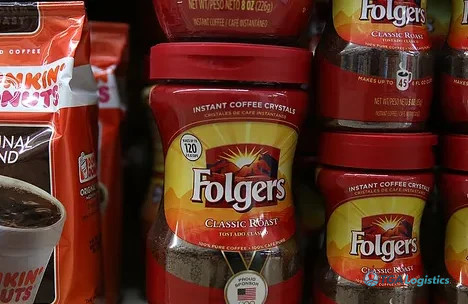
The company produces and distributes a wide array of coffee products, including well-known names like Folgers and Dunkin’ retail coffee. Ensuring stable pricing for these household staples can significantly impact consumer budgets and market dynamics.
JM Smucker canceled planned coffee price increases after the Trump administration exempted coffee from tariffs. This means consumers won't face higher prices for brands like Folgers and Dunkin' retail coffee. The company expects the tariff removal to foster a more stable and less volatile coffee market, benefiting both the company and consumers.
Tariff Exemption Details
The Trump administration’s specific exemption of coffee from broader trade levies marks a key development. This action removes the financial burden that tariffs typically place on imported goods. Consequently, coffee importers and distributors will no longer incur these additional costs.
Tariffs had introduced a layer of uncertainty into the supply chain for various commodities. By specifically carving out coffee, the administration has signaled a strategic move to stabilize this particular market sector.
Anticipating Market Stability
JM Smucker expressed strong optimism about the long-term outlook for the coffee market. The company projects that removing these tariffs will foster an environment of reduced price fluctuations. This stability allows for better planning across the entire supply chain, from sourcing to retail.
A less volatile market benefits manufacturers by enabling more consistent operational strategies. Ultimately, this predictability can translate into more reliable pricing for consumers. It helps avoid sudden cost surges tied to trade policy changes.