


The prospect of converting lead-acid forklifts to lithium batteries often appears to be an obvious choice for many operations, frequently described as a “no-brainer.” This appeal stems from anticipated benefits such as reduced maintenance demands and enhanced operational uptime.
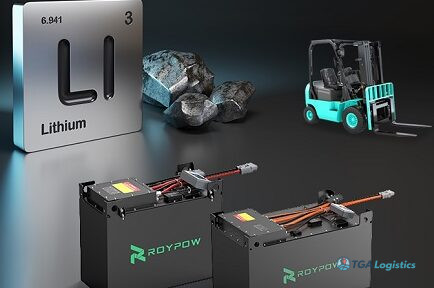
In fact, some businesses have reported annual savings of thousands of dollars purely on upkeep after making the transition. Yet, integrating a lithium battery into a forklift originally designed for lead-acid technology introduces significant considerations. The primary risks associated with this conversion are safety, overall cost implications, and performance compatibility.
Safety Concerns
Safety emerges as a primary concern when contemplating this technological shift. Equipment designed for one battery type may not inherently accommodate another without potential hazards. Operations must thoroughly assess these inherent safety considerations before proceeding with any conversion.
Converting lead-acid forklifts to lithium batteries promises reduced maintenance and increased uptime, but poses significant risks. Key considerations are safety, total cost implications beyond initial purchase, and ensuring performance compatibility. Thorough due diligence, evaluating these critical factors, is essential for a successful and beneficial transition.
Understanding Cost Implications
Financial implications extend beyond the initial purchase price of a lithium battery. Businesses must evaluate the total cost of ownership, including potential modifications, installation complexities, and any unforeseen expenses. This comprehensive view ensures a realistic understanding of the investment required.
Performance Compatibility
Performance compatibility also presents a critical area for scrutiny. A forklift’s original design optimizes its function with specific power characteristics. Converting to lithium batteries requires careful assessment to ensure the new power source aligns with the machine’s intended operational parameters and avoids unexpected limitations.
While the allure of lower maintenance and increased uptime remains strong, these critical risks demand careful evaluation. Businesses considering the switch from lead-acid to lithium must conduct thorough due diligence. A comprehensive understanding of safety, cost, and performance factors is essential for a successful and beneficial conversion.