


The Federal Aviation Administration (FAA) has concluded its previously mandated air traffic reductions, marking a return to normal flight operations. Earlier this month, the agency terminated an order that had required a reduction in activity by up to 10%. Notably, the vital air cargo sector experienced no significant disruption or impact throughout this period of reduced traffic.
End of Mandated Cuts
The FAA had implemented an order earlier in the month to decrease overall air traffic activity. This directive aimed to reduce flight operations by as much as 10%. The agency’s decision to terminate this order signals a full resumption of standard air traffic management protocols.
The FAA has concluded its mandated air traffic reductions, returning to normal flight operations after an order requiring up to a 10% decrease. The vital air cargo sector remained unaffected by these temporary measures. This ensures smoother air travel and efficient airspace management nationwide.
Scope of the Reduction Order
The specific order called for a reduction of up to 10% in air traffic activity. This measure affected various aspects of flight operations. Its termination now allows for unrestricted scheduling and movement within the national airspace.
Air Cargo Sector Unaffected
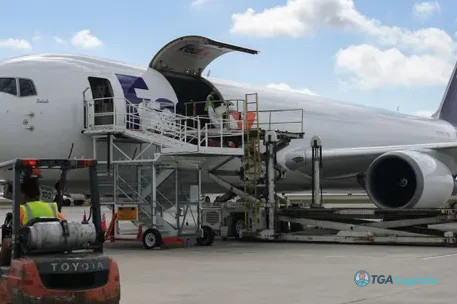
Despite the temporary reductions in overall air traffic, the air cargo industry maintained its regular operations. This critical sector avoided any meaningful impact from the FAA’s order. Supply chains and logistics continued to function without significant disruption, underscoring the resilience of air freight services.
Return to Normal Flight Operations
With the FAA’s mandate officially concluded, flight operations across the nation have fully normalized. Airlines and air traffic controllers are now operating under standard procedures. This development ensures smoother air travel and efficient management of the country’s airspace going forward.
Comment1