


Ford has terminated a significant $6.5 billion battery supply contract with LG Energy Solution. This move follows the automaker’s earlier decision this month to dissolve its BlueOval SK battery joint venture with SK On. These actions collectively signal a notable strategic pivot by Ford, moving away from its previous aggressive focus on electric vehicle production.
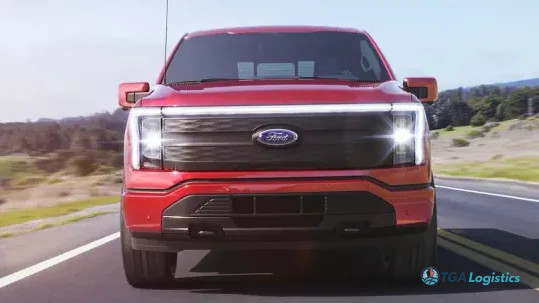
Battery Supply Contract Ends
The cancellation of the $6.5 billion agreement with LG Energy Solution marks a substantial change in Ford’s procurement strategy. This contract was vital for securing a significant portion of the batteries needed for its upcoming electric vehicle models. Ending such a large commitment directly impacts LG Energy Solution, a major global battery manufacturer. It also forces Ford to reassess its future battery sourcing needs and overall EV production timeline.
BlueOval SK Joint Venture Dissolved
Ford has significantly altered its electric vehicle strategy, terminating a $6.5 billion battery contract with LG Energy Solution and dissolving its BlueOval SK joint venture with SK On. This pivot signals a recalibration of its aggressive EV production plans, adopting a more measured pace for its electric transition.
Partnership with SK On
Earlier in the month, Ford moved to dissolve BlueOval SK, its battery joint venture established with SK On. This partnership aimed to develop and produce EV batteries in North America, a cornerstone of Ford’s initial electrification plans. The venture represented a multi-billion-dollar investment intended to secure a domestic battery supply chain.
Strategic Reassessment
The dissolution of BlueOval SK suggests a fundamental reassessment of Ford’s long-term EV manufacturing strategy. It indicates a departure from vertically integrated battery production. This decision allows Ford greater flexibility in its battery sourcing, potentially seeking alternative suppliers or adjusting production volumes more readily.
Ford’s Evolving EV Strategy
These two major decisions—the contract termination and the joint venture dissolution—underscore a clear strategic shift by the automaker. Ford appears to be recalibrating its approach to electric vehicles, potentially slowing down its aggressive expansion plans. This pivot could be a response to evolving market demands, production challenges, or profitability considerations within the EV sector. The company is now signaling a more measured pace for its electric transition.