


The ongoing conflict involving Iran profoundly impacts global shipping, disrupting an estimated 10% of the world’s container fleet. Jeremy Nixon, CEO of Ocean Network Express (ONE), revealed this assessment at the TPM26 conference, an event organized by S&P Global.
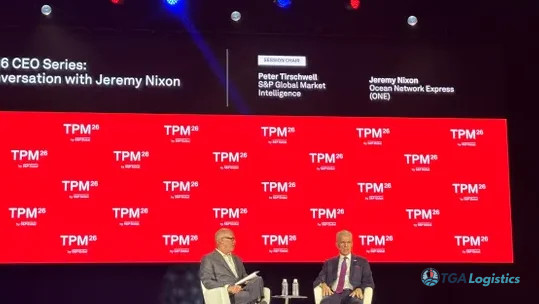
Scale of Maritime Disruption
Nixon’s statements underscore the significant challenges facing the maritime industry. A tenth of the global container fleet now navigates altered routes or faces delays due to regional instability. This considerable percentage highlights the widespread nature of the conflict’s economic reach.
The Ocean Network Express chief provided these insights during a key industry gathering. His remarks offer a direct look at the operational realities confronting shipping companies worldwide.
Operational Shifts and Economic Fallout
Ongoing conflict linked to Iran is disrupting 10% of the global container fleet, causing altered routes and delays. Ocean Network Express CEO Jeremy Nixon confirmed carriers are reallocating cargo and prioritizing empty vessels, which will significantly increase global freight rates.
Carrier Strategies
Shipping carriers are preparing for substantial operational adjustments. They expect to begin reallocating cargo across their networks. This strategic reshuffling aims to maintain some semblance of schedule integrity amidst the disruptions.
Furthermore, carriers will prioritize the movement of empty vessels. This measure addresses imbalances in container availability, ensuring that crucial equipment reaches demand centers despite the altered shipping landscape.
Impact on Freight Rates
These operational changes will directly influence global freight rates. The costs associated with shipping goods are anticipated to rise. Businesses and consumers alike may feel the effects of these increased expenses.
The adjustments reflect a broader effort by the industry to adapt to evolving geopolitical circumstances. Ultimately, the conflict continues to exert pressure on the efficiency and cost-effectiveness of international trade.