


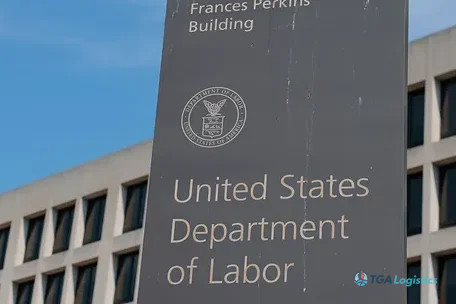
The U.S. Department of Labor (DOL) is moving to revise its regulations concerning the classification of independent contractors. This initiative aims to loosen the existing rules determining a worker’s employment status.
Proposed Regulatory Changes
The DOL’s proposed rule would replace a framework established during the Biden administration. This current framework helps distinguish whether an individual is an independent contractor or a traditional employee. The new regulations seek to introduce more flexibility into this determination.
This potential shift could impact various industries and millions of workers. Businesses often prefer independent contractors for reduced overhead, while employees typically receive benefits and protections.
The U.S. Department of Labor proposes revising independent contractor rules, aiming to loosen existing criteria and replace the Biden-era framework. This shift would offer businesses greater flexibility in worker classification, potentially increasing contract-based work while impacting workers' eligibility for benefits like minimum wage and overtime.
Context of the Current Framework
The existing framework has guided federal efforts in worker classification. It considers factors such as an employer’s control over a worker and the worker’s opportunity for profit or loss. Its replacement signals a different approach to balancing worker safeguards and business operational flexibility.
Potential Impact on Employment Status
Loosening independent contractor criteria has significant implications. For workers, employee status often grants eligibility for minimum wage, overtime pay, and unemployment insurance. Independent contractors typically do not receive these benefits.
Conversely, companies gain flexibility and lower labor costs by utilizing contractors. The proposed rule could offer businesses greater latitude in hiring, potentially increasing contract-based work across the economy.