


Global logistics leader Maersk has significantly bolstered its ground network by establishing a new hub in Southern California. This strategic expansion introduces a state-of-the-art facility equipped with 22 additional doors, specifically engineered to accelerate the flow of freight both into and out of the critical regional market.
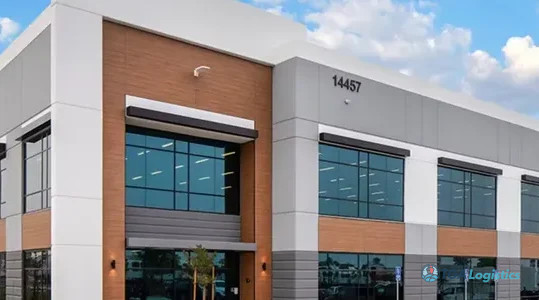
Enhancing Regional Freight Flow
The new Southern California facility directly addresses the growing demand for efficient freight handling in one of the nation’s busiest logistics corridors. Adding 22 doors dramatically increases the hub’s capacity to process goods. This expansion facilitates quicker turnaround times for trucks and cargo.
Maersk has opened a new, state-of-the-art logistics hub in Southern California, adding 22 doors to significantly boost freight flow capacity. This strategic expansion in a vital trade gateway enhances ground operations, aiming to accelerate goods movement and provide more integrated, end-to-end supply chain solutions for clients across North America.
Strategic Importance of Southern California
Southern California serves as a vital gateway for international trade, linking Asian markets with consumers across North America. The region’s ports and extensive transportation infrastructure make it a crucial nexus for global supply chains. Maersk’s investment in this area underscores its commitment to optimizing these critical connections.
Maersk’s Integrated Logistics Strategy
This network expansion aligns with Maersk’s broader strategy to offer integrated, end-to-end logistics solutions. By strengthening its ground operations, the company aims to create a more seamless and reliable supply chain experience for its clients. The new hub represents a tangible step towards connecting ocean, air, and land transportation more effectively.
Operational Impact and Efficiency
The improved capacity at the new hub promises enhanced operational efficiency for businesses utilizing Maersk’s services. Expedited freight movement can reduce transit times and mitigate potential bottlenecks. Ultimately, this development supports a smoother, more predictable flow of goods for various industries operating within or through Southern California.