


Manufacturers are actively seeking greater certainty in trade policy following a recent Supreme Court decision concerning tariffs. This pursuit reflects a broader industry desire for predictable conditions. Key industry organizations underscore the critical need for a more targeted approach to tariffs. This is especially true as the President leverages various executive authorities to advance his trade agenda.
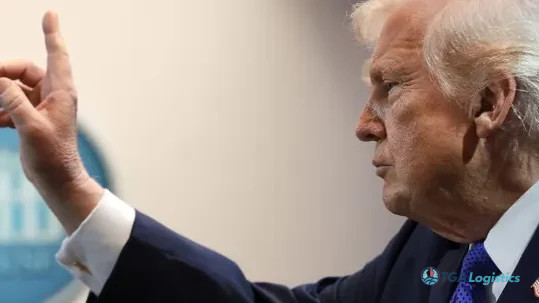
The Need for Predictability
The manufacturing sector consistently advocates for a stable trade environment. Businesses rely on clear policy frameworks for long-term investment and supply chain management. Uncertainty, often from evolving tariff applications or sudden policy shifts, complicates strategic planning. Consistent rules are essential for maintaining competitiveness and fostering domestic growth.
Industry Advocates for Targeted Tariffs
Industry organizations vocally stress the necessity for precise tariff application. They argue broad tariffs can inadvertently harm domestic industries reliant on imported components. A targeted approach allows policymakers to address specific unfair trade practices without imposing widespread economic burdens. This protects American interests while minimizing collateral damage to supply chains.
Manufacturers seek trade policy certainty and targeted tariffs, driven by a Supreme Court decision and presidential executive actions. Broad tariffs disrupt supply chains and harm industry. Predictable policies are crucial for investment, competitiveness, and mitigating economic uncertainty.
Mitigating Unintended Consequences
Broad tariffs often disrupt global supply chains, increasing costs for manufacturers. These higher expenses can translate into elevated consumer prices or reduced profit margins. A targeted strategy, conversely, focuses on specific goods or countries involved in problematic trade behaviors. This precision helps maintain competitive pricing and operational efficiency within manufacturing.
Presidential Authority in Trade Actions
The President currently utilizes various executive authorities to conduct the nation’s trade agenda. While this allows swift action against perceived trade imbalances, it also contributes to manufacturers’ uncertainty. Such actions can bypass traditional legislative processes, making future trade policy directions less predictable for businesses.
As manufacturers navigate this complex landscape, their call for certainty and targeted trade measures remains clear. The Supreme Court’s decision, combined with the President’s use of executive authorities, creates an environment demanding careful attention. Industry leaders continue to push for policies that foster stability, allowing businesses to plan with confidence and ultimately supporting a robust manufacturing sector.