


Newell Brands, the global consumer goods company known for brands like Yankee Candle, is proactively preparing for a substantial financial challenge in 2026. The company anticipates a tariff impact totaling $130 million. To mitigate this projected cost, Newell Brands is intensifying its established strategies, including adjusting its sourcing and implementing automation across operations, drawing on its prior experience with similar economic pressures.
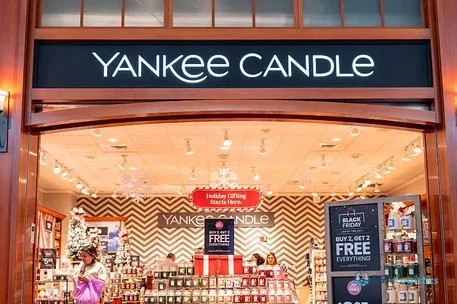
Anticipating the Financial Headwind
The projected $130 million tariff impact for 2026 represents a significant financial headwind for Newell Brands. This figure underscores the ongoing complexities of global trade and supply chains. Leaders at Newell Brands are closely monitoring international trade policies to understand potential future implications for their diverse product portfolio.
Strategic Response to Tariffs
Newell Brands is not approaching this challenge without a clear plan. The company is doubling down on strategies proven effective in previous periods of tariff volatility. This proactive stance aims to safeguard profitability and maintain competitive pricing for its products.
Newell Brands anticipates a $130 million tariff impact in 2026. To mitigate this, the company is proactively intensifying established strategies, including adjusting global sourcing and implementing automation. Leveraging past experience, Newell aims to safeguard profitability and maintain competitive pricing amidst global trade challenges.
Sourcing Adjustments
A primary component of Newell Brands’ strategy involves strategic sourcing shifts. This approach often means relocating production or diversifying supplier bases to regions with more favorable trade agreements or lower operating costs. By optimizing its global supply network, the company seeks to reduce exposure to tariffs.
These adjustments also involve a meticulous review of raw material origins and manufacturing locations. The goal is to build a resilient supply chain less susceptible to unforeseen duties and levies. Such flexibility allows Newell Brands to adapt swiftly to changing economic landscapes.
Embracing Automation
In addition to sourcing adjustments, automation plays a critical role in Newell Brands’ mitigation efforts. Integrating advanced robotics and automated processes into manufacturing can significantly reduce labor costs and increase efficiency. This modernization helps offset the financial burden imposed by tariffs.
Automation also enhances consistency and quality in production, further strengthening the company’s operational backbone. Investing in technology offers long-term benefits beyond tariff mitigation, contributing to overall operational excellence and competitiveness.
Leveraging Past Experience
This is not Newell Brands’ first encounter with significant tariff challenges. The company has developed a comprehensive “playbook” based on past experiences navigating similar economic pressures. This institutional knowledge allows for a more informed and agile response to the anticipated 2026 impact.
By reapplying and intensifying these proven strategies, Newell Brands demonstrates a commitment to managing external economic factors effectively. The company aims to ensure continued operational stability and financial health amidst a dynamic global trade environment.