


Norfolk Southern and global shipping leader CMA CGM have announced a new partnership. The collaboration introduces an intermodal rail service designed to connect the Midwest with the West Coast. This strategic initiative primarily seeks to convert long-haul highway freight to rail transport. A spokesperson for Norfolk Southern confirmed the details of this new offering to Supply Chain Dive.
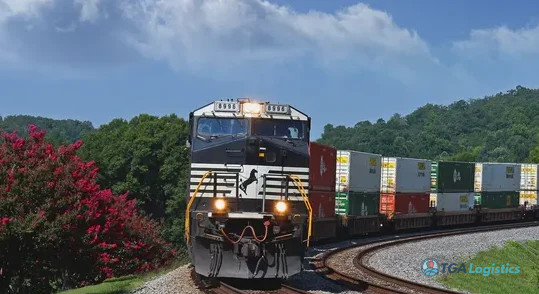
New Intermodal Offering Takes Shape
The newly established service provides a crucial link between central U.S. markets and the nation’s western seaboard. This route aims to streamline the movement of goods across the country. By leveraging existing rail infrastructure, the partnership creates a more integrated logistics solution for shippers.
Norfolk Southern and CMA CGM have partnered to launch a new intermodal rail service connecting the Midwest with the West Coast. This initiative aims to convert long-haul highway freight to rail transport, leveraging existing infrastructure for increased efficiency. The collaboration seeks to streamline logistics, offer cost-effective shipping, and reduce environmental impact.
Strategic Collaboration in Logistics
This alliance brings together a major North American railroad and one of the world’s largest container shipping companies. Norfolk Southern operates extensive rail networks across the eastern U.S. CMA CGM, a French firm, manages a vast global fleet and intermodal operations. Their combined expertise positions the new service to address evolving supply chain demands effectively.
Converting Highway Freight to Rail
A key objective of the service is to shift freight currently transported by trucks over long distances onto rail lines. This conversion can offer several advantages. Rail transport often proves more fuel-efficient for bulk and long-haul shipments. It also potentially reduces road congestion and associated environmental impacts.
Enhancing Supply Chain Efficiency
The move to convert highway freight reflects broader industry trends towards optimizing logistics. Shippers increasingly seek reliable and cost-effective alternatives for moving goods. This intermodal service provides a viable option. It potentially improves transit times and enhances overall supply chain predictability for businesses operating between these regions.