


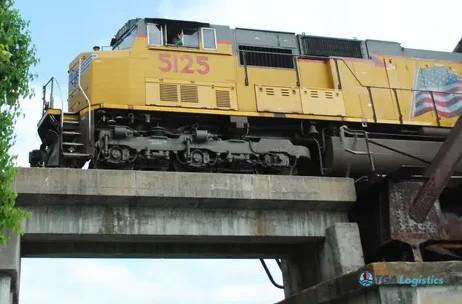
A significant consolidation is under exploration within the U.S. freight railroad sector. Union Pacific (UP) and Norfolk Southern (NS), two major players, are considering a potential merger. This proposed tie-up would fundamentally reshape the industry, creating an even larger entity than currently exists.
The Proposed Consolidation
The potential combination of Union Pacific and Norfolk Southern represents a pivotal moment for freight transportation. Should it proceed, the merger would establish an unprecedented industry giant. This new entity would control a vast network, significantly altering the competitive landscape across the nation.
Market Impact and Concerns
Stakeholders across the freight industry are closely monitoring these developments. The prospect of such a large-scale consolidation immediately raises several critical concerns. These worries primarily center on potential financial implications and shifts in regional market dynamics.
Union Pacific and Norfolk Southern are exploring a merger that would create an unprecedented U.S. freight railroad giant. This potential consolidation raises significant concerns among stakeholders regarding possible shipping rate increases and shifts in regional competitive dynamics due to reduced competition, fundamentally reshaping the industry landscape.
Potential for Rate Increases
A key concern among industry participants involves the possibility of increased shipping rates. With a merged UP-NS controlling a larger market share, the competitive pressure on pricing could diminish. Businesses relying on freight rail services fear this reduction in competition might lead to higher costs for transporting goods.
Regional Competitive Dynamics
Beyond pricing, the merger also sparks questions regarding regional competitive balance. Fewer major rail operators could impact service quality and options in specific geographic areas. This potential shift might disadvantage certain shippers or regions by limiting their choices for rail transport.
Industry Landscape Shift
The consolidation of UP and NS would undeniably redefine the U.S. freight railroad landscape. It would reduce the number of Class I railroads, intensifying scrutiny from regulators and customers alike. The long-term implications for efficiency, investment, and customer service remain subjects of intense debate.