


The impending merger of major rail companies Union Pacific and Norfolk Southern is anticipated to bring about a complex and varied impact on the road transport sector, particularly concerning intermodal operations. Industry experts are forecasting that this consolidation will create both opportunities and challenges, leading to the emergence of distinct winners and losers within the trucking industry.
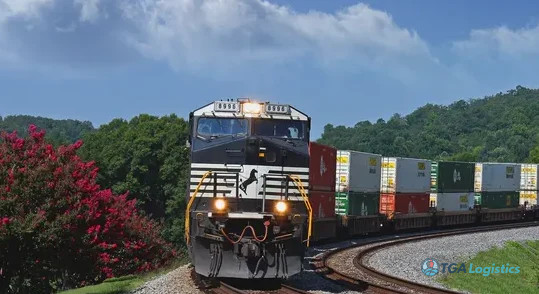
Intermodal Operations Face Transformation
This significant consolidation among rail giants will directly influence how trucking companies integrate with rail networks for intermodal freight. Changes to routes, pricing structures, and service availability are all potential outcomes. Trucking firms relying heavily on existing rail corridors will need to adapt to the new operational landscape.
The merger of Union Pacific and Norfolk Southern will significantly impact the road transport sector, particularly intermodal operations. This consolidation presents both opportunities and challenges for trucking companies, creating distinct winners and losers. Truckers must adapt to potential changes in routes, pricing, and service availability as the rail landscape transforms.
Shifting Dynamics for Truckers
The combined entity of Union Pacific and Norfolk Southern will likely streamline certain long-haul routes, potentially offering more efficient transit times and improved reliability in some lanes. However, other routes might see reduced competition or altered service levels. This shift will compel trucking companies to re-evaluate their current strategies and partnerships.
Potential Beneficiaries Emerge
Some segments of the road transport sector stand to gain from the merger. Trucking companies positioned strategically near optimized intermodal hubs or those capable of leveraging new, more efficient long-haul rail options could see increased business. Furthermore, carriers specializing in first and last-mile delivery to these enhanced rail terminals may find expanded opportunities.
Challenges for Other Carriers
Conversely, the merger could present significant hurdles for other trucking operations. Companies currently dependent on rail services that become less competitive or are phased out might face disruptions. Smaller carriers, in particular, may struggle to adapt to new contractual terms or to compete with larger players better positioned to negotiate with the consolidated rail giant.
Overall, the unification of these rail networks promises a period of adjustment for the trucking industry. While some will find new avenues for growth, others will need to navigate a more competitive or altered operational environment.